Dolphins of the North Atlantic: Cold-Water Species Guide
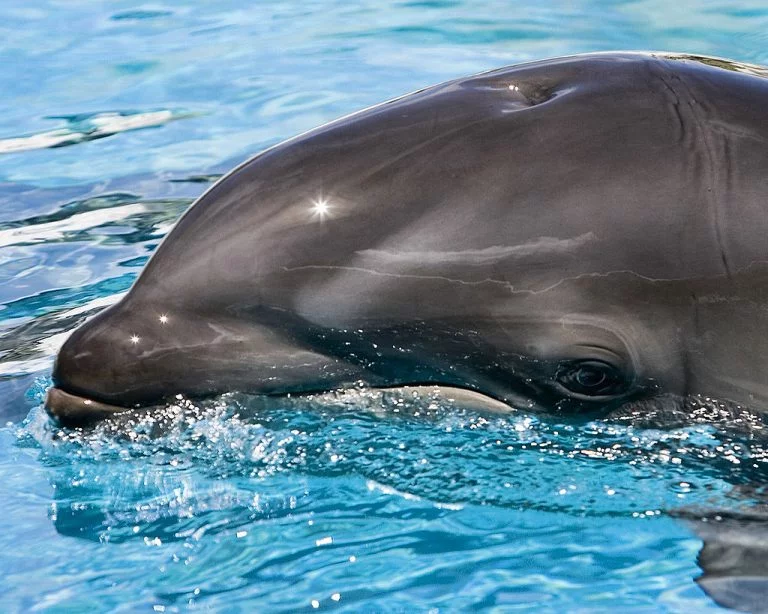
Photo by Jonas Von Werne on Pexels
The North Atlantic is the cool-water heartland of several dolphin species. White-sided, white-beaked, short-beaked common and bottlenose dolphins all overlap here, alongside harbour porpoise and offshore pilot whales. What unites them is a tolerance for cold. The region runs from the plankton-rich water off Norway and Iceland down to the milder Bay of Biscay, and the dolphins here are built for temperatures a tropical species would not survive.
Species you might encounter
Atlantic white-sided dolphin (Leucopleurus acutus, moved out of Lagenorhynchus in a 2025 revision): the iconic North Atlantic shelf dolphin, with a diagnostic yellow and white flank stripe. A powerful, fast animal usually seen in active groups over the continental shelf.
White-beaked dolphin (Lagenorhynchus albirostris): the more northerly of the two, common around Scotland, Iceland and Norway. Stockier than the white-sided dolphin, tolerant of colder water, and sometimes seen near the edge of the pack ice. Following the 2025 revision it is the only species left in the genus Lagenorhynchus.
Short-beaked common dolphin (Delphinus delphis): found on the warmer side of the region, in the Bay of Biscay and the Celtic Sea, and recognised by a striking hourglass pattern on the flanks.
Common bottlenose dolphin: the North Atlantic holds famous resident populations, including Cardigan Bay in Wales and the Moray Firth in Scotland, plus groups in Norwegian fjords. The Moray Firth animals are large: the Hebridean Whale and Dolphin Trust says Scottish bottlenose dolphins reach 4 metres. See our guide to watching dolphins in Scotland.
Harbour porpoise (Phocoena phocoena): one of the most abundant cetaceans in the North Atlantic. Not a dolphin but a porpoise, smaller and shyer, with a small triangular fin and no prominent beak.
Long-finned pilot whale: a large oceanic dolphin found along the shelf edge and in deeper water, often in pods of dozens to hundreds.
Where to see them
The Bay of Biscay: the ferry route between Plymouth in England and Santander in Spain crosses deep water and makes one of the world’s best cetacean transects, with common dolphins, pilot whales and several whale species possible from the deck.
Iceland (Husavik, Eyjafjordur): the north coast is excellent for white-beaked dolphins alongside minke whales and humpbacks. Husavik bills itself as a whale-watching capital and has the boats to back it up.
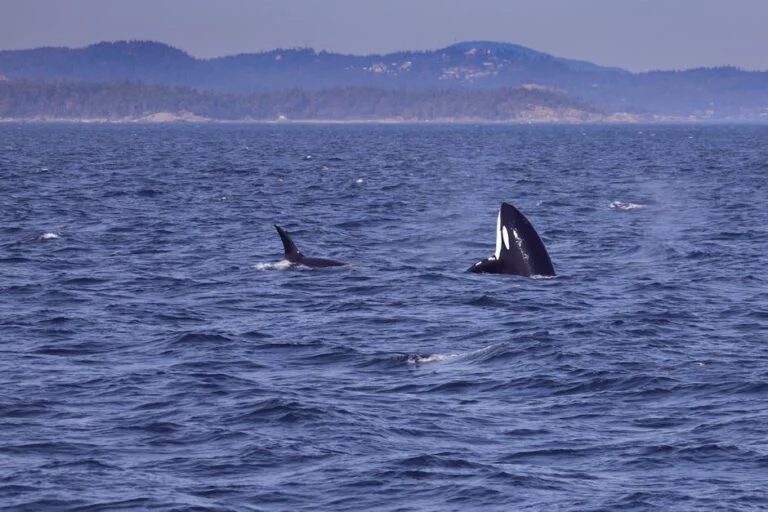
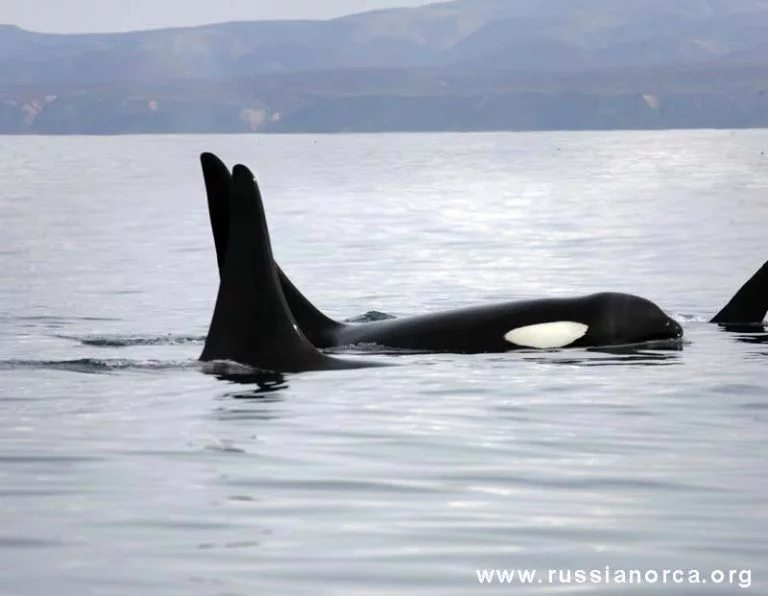
The Hebrides: the islands and sea lochs of western Scotland host common, bottlenose and white-beaked dolphins, usually from small boats. The same waters hold the West Coast Community, the UK’s last resident orcas.
Cape Cod and Stellwagen Bank, Massachusetts: a productive bank designated a US national marine sanctuary, and a strong spot for Atlantic white-sided and common dolphins.
Safety
The North Atlantic is rough and cold, and trips are weather-dependent. Dolphin watching is usually bundled with whale and seabird observation, because the same rich water supports all three.
Reputable operators keep to strict approach distances, typically 100 m and often more. Dress warmly even in summer, bring waterproof layers, and choose an operator accredited by a recognised responsible-watching scheme. A boat that chases or encircles dolphins is both unethical and, in many North Atlantic countries, illegal.
Conservation status in the North Atlantic
Most of these species are Least Concern globally. The local picture is worse. Bycatch in gillnet and pelagic trawl fisheries hits harbour porpoise and common dolphin hardest, the Faroese drive hunt takes pilot whales and white-sided dolphins, and persistent organic pollutants accumulate in every long-lived predator here.
The Faroese grindadrap of 12 September 2021, which killed 1,428 Atlantic white-sided dolphins in a single drive, drew international condemnation and prompted the Faroese government to review the practice. Bycatch is the quieter and larger killer: every winter, large numbers of common dolphins wash up on European Atlantic coasts, particularly around the Bay of Biscay, after drowning in fishing gear.
How to tell the cold-water species apart
Identifying North Atlantic dolphins from a moving boat takes practice, but a few marks do most of the work. The Atlantic white-sided dolphin shows a clear pale yellow patch along the rear flank and is the only species here with it. The white-beaked dolphin has a short, often pale beak, a noticeably stocky body, and grey-white blazes along the sides. The short-beaked common dolphin is the colourful one, with a sweeping tan and grey hourglass. A bottlenose dolphin is plain grey, larger, and has no flashy side pattern at all. The harbour porpoise gives itself away by behaviour: small, dark, undemonstrative, rarely leaping, it just rolls quietly at the surface and disappears.
Best time to visit
May to September is the window. Outside it the weather is unreliable, daylight is short in the far north, and many summer-resident groups move offshore or south. Midsummer in Iceland and Norway also gives you very long days, which stretches how much time you can spend on the water.
Read next
Frequently asked questions
What dolphins live in the North Atlantic?
Atlantic white-sided dolphin, white-beaked dolphin, short-beaked common dolphin, bottlenose dolphin, harbour porpoise and long-finned pilot whale are the main ones.
Where is the best place to see North Atlantic dolphins?
The Bay of Biscay ferries between Plymouth and Santander, north Iceland around Husavik, and the Hebrides.
Are North Atlantic dolphins endangered?
Most are Least Concern globally, but local subpopulations face bycatch and drive-hunt pressure that the global rating does not capture.
Do dolphins live in Iceland?
Yes. White-beaked dolphins are common, especially around Husavik and Eyjafjordur on the north coast.
What is the Faroese grindadrap?
A drive hunt of long-finned pilot whales and other small cetaceans. The drive of 12 September 2021 killed 1,428 Atlantic white-sided dolphins and drew international condemnation.
Is the harbour porpoise a dolphin?
No. It is a porpoise, a close relative. Smaller, shyer, with a small triangular fin and no prominent beak.
Continue exploring at our store
If this article sparked your interest, head over to our guide on dolphin habitats at the We Love Dolphins store for related reads and gear.
Updated 17 November 2026: replaced an unsourced claim about the Moray Firth dolphins with a sourced one. Updated 25 October 2026: corrected the harbour porpoise abundance claim.