Common Dolphin Range and Migration: Where the Most Abundant Dolphin Lives
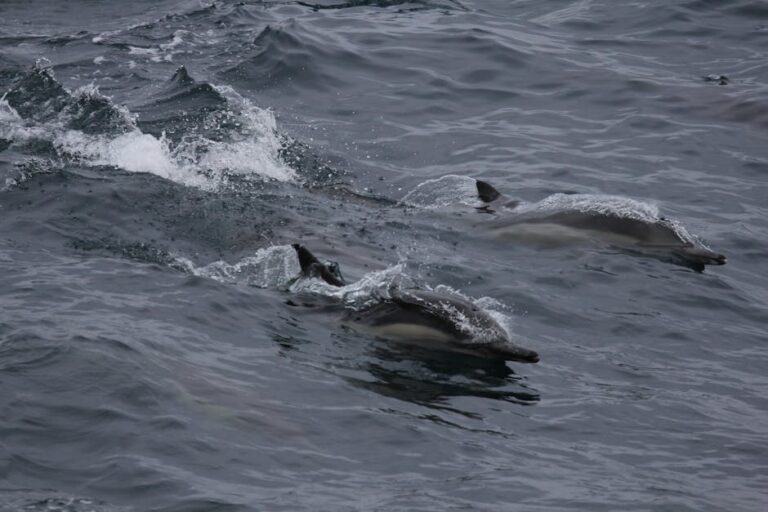
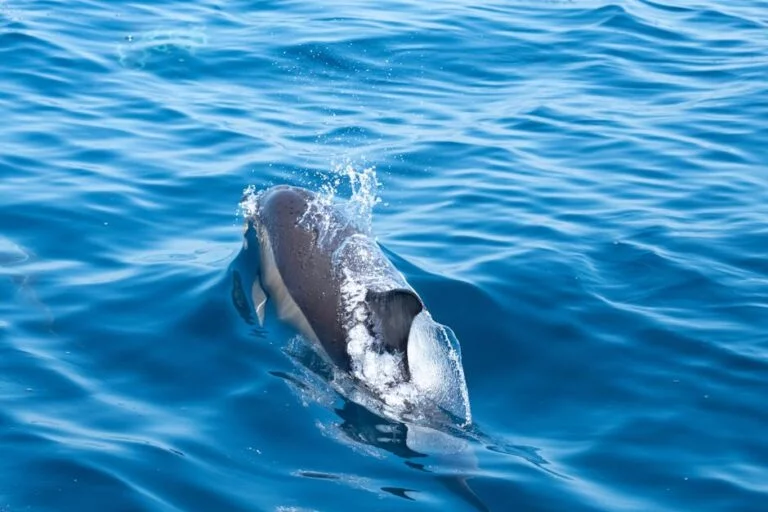
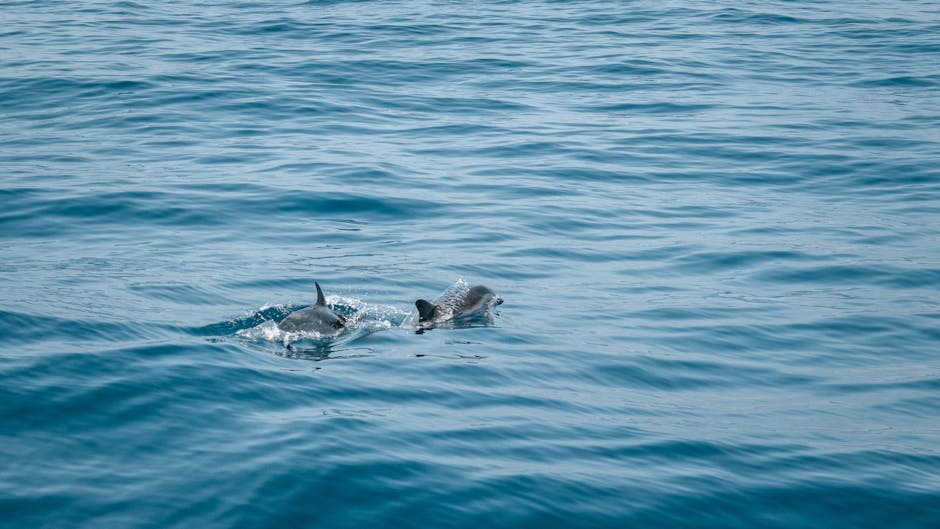
The short-beaked common dolphin (Delphinus delphis) is the most abundant dolphin in the world, with a global population usually put at around six million across the temperate and warm-temperate Atlantic, Pacific and Mediterranean. Despite the name it is anything but ordinary: it forms some of the largest gatherings of any cetacean and moves widely with its prey.
One species, formerly two
Until 2016 the long-beaked common dolphin (Delphinus capensis) was treated as a separate species. Genetic work showed that long-beaked populations around the world are not closely related to each other and are each derived from short-beaked ancestors, so most have been folded back under D. delphis as subspecies or regional forms.
Short-beaked types favour deeper offshore water. Long-beaked types are more coastal. Ranges overlap in many places.
North Atlantic range
Common dolphins occur from the Norwegian Sea south to West Africa, with the highest densities along the European shelf edge, in the Bay of Biscay, the Celtic Sea and off western Iberia. The SCANS-IV survey in summer 2022 estimated about 439,000 common dolphins in European Atlantic waters.
Seasonal movement tracks sardine, anchovy and mackerel: closer inshore in summer, further offshore in winter.
Mediterranean
Once abundant throughout the Mediterranean, common dolphins crashed there in the second half of the twentieth century. What is left survives in fragments around the Ionian Sea, the Alboran Sea and the Strait of Gibraltar, and the Mediterranean subpopulation is assessed as Endangered.
The drivers of that decline were prey collapse, especially anchovy and sardine, alongside high PCB contamination, bycatch and habitat degradation.
North Pacific range
In the Pacific the species runs from southern Alaska to South America, and the eastern tropical Pacific holds one of the largest concentrations anywhere. Mexican and Californian waters reliably produce super-pods of several thousand animals, particularly during winter sardine runs around the Channel Islands.
Super-pod behaviour
Common dolphins form some of the largest aggregations of any cetacean, occasionally exceeding 10,000 animals. Super-pods are temporary and assemble around dense schools of fish or squid.
Inside one, smaller subgroups of 20 to 50 stay together. Bow-riding, simultaneous breaching and high-speed porpoising make a super-pod visible from a long way off.
Diet and migration
The diet is small schooling fish (sardine, anchovy, herring, hake) and squid. Common dolphins follow the deep scattering layer upward at night to feed in shallower water, diving to around 200 m.
Movement is driven by prey rather than latitude. In years when anchovy recruitment fails, animals shift hundreds of kilometres to find food, and bycatch tends to spike in places that do not usually see it.
Threats
Bycatch in pelagic trawls and gillnets is the single biggest pressure. In the Bay of Biscay, stranding data put the toll at roughly 4,000 to 9,000 common dolphins a year in fishing gear from 2016 onward. After a ruling by France’s Conseil d’Etat, the French government closed most commercial fishing in the area for a month, from 22 January to 20 February 2024, and the Conseil d’Etat later noted a significant drop in small cetacean bycatch mortality that year. The winter closure was repeated in 2025 and 2026, and Pelagis data show fewer bycatch deaths in 2025 than in any year from 2017 to 2023.
Climate change is the slower problem, shifting prey distributions northward in the Atlantic, with knock-on effects on where common dolphins go and who they compete with when they get there.
Read next
Frequently asked questions
What is the most common dolphin species?
The short-beaked common dolphin, Delphinus delphis, with a global population usually given as around six million.
Are common dolphins endangered?
Globally Least Concern. The Mediterranean subpopulation is Endangered.
How big are common dolphin pods?
Usually 50 to 200 animals. Super-pods in rich feeding grounds can exceed 10,000.
How deep do common dolphins dive?
To around 200 m, following prey up from the deep scattering layer at night.
Where can I see common dolphins?
The Bay of Biscay, southern Portugal, the Strait of Gibraltar, the Channel Islands off California, and the Sea of Cortez.
Updated 25 October 2026: corrected the section heading on the species merge and updated the European survey estimate and Bay of Biscay bycatch figures.