
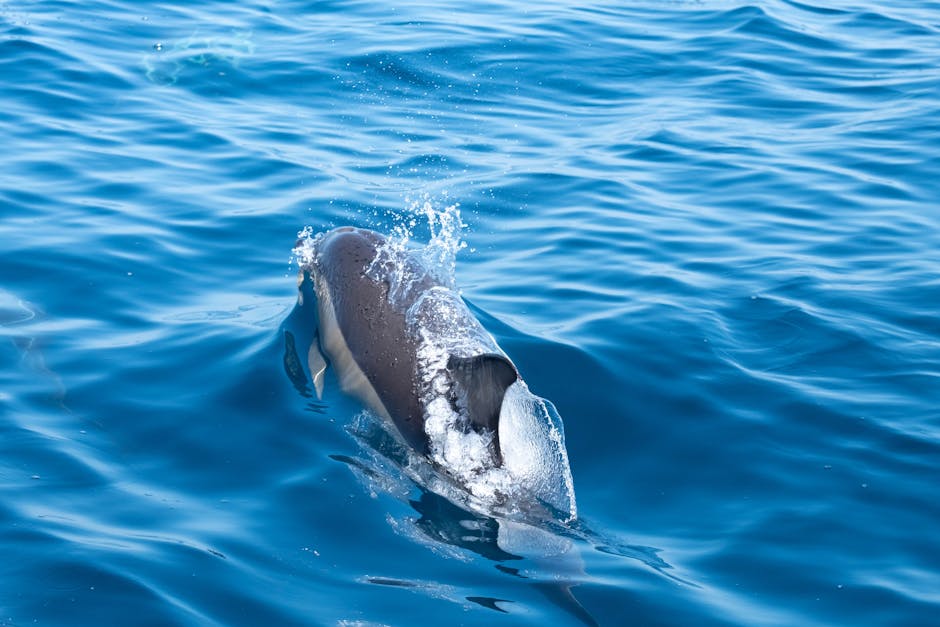
Atlantic White-Sided Dolphin: A North Atlantic Cold-Water Profile
SBNMS, Atlantic White Sided Dolphin (27225663913), by National Marine Sanctuaries, public domain, via Wikimedia Commons.
The Atlantic white-sided dolphin is a cold-water North Atlantic species, instantly recognisable by the yellow or tan patch running along each flank. It is fast, deep-diving, partial to shelf-edge and offshore water, and it is one of the dolphins you are most likely to see on a whale-watching trip out of Cape Cod.
A note on the name: this species was described as Lagenorhynchus acutus for well over a century, but molecular work showed that genus to be polyphyletic, and a 2025 revision moved it to Leucopleurus acutus. Older books and signage will still say Lagenorhynchus. Same animal.
Appearance and how to identify it
Adults grow to about 2.8 metres and up to roughly 230 kilograms, with males slightly larger than females. The body is heavily built, dark grey above with a sharp white belly. The standout feature is the yellow or tan band running along each side toward the tail, set above a white flank patch. The dorsal fin is tall, narrow and strongly curved.
At sea it is easily confused with the white-beaked dolphin, which shares the same cold range. The flank colour settles it: only the Atlantic white-sided dolphin carries that yellow band, so one clear view of the side is enough.
Range and habitat
This dolphin occupies the cold-temperate North Atlantic, from Cape Cod north to Greenland, Iceland, the Faroe Islands and Scotland, and as far south as the Bay of Biscay. It is among the most abundant dolphins on the northwest Atlantic shelf, where NOAA stock assessments run to tens of thousands of animals.
It favours the continental shelf and the shelf edge, generally in water cooler than tropical dolphins tolerate, and concentrates where the seabed drops away and schooling fish gather.
Behaviour and diet
Group sizes range from a handful of animals to herds of several hundred. The species is highly acrobatic, leaps clear of the water regularly, and rides bow waves, which is a large part of why whale-watch operators are fond of it.
Diet is dominated by small schooling fish, mainly herring, mackerel and hake, plus squid. The dolphins feed cooperatively, working together to compress fish into tight bait balls near the surface where they are easier to pick off.
Life cycle
Females give birth to a single calf after a gestation of roughly eleven months, usually in the warmer months, and calves nurse for well over a year. Like every dolphin, this is a long-lived, slow-reproducing animal, which is why a sustained source of extra mortality takes so long to recover from.
Threats
- Drive hunts in the Faroe Islands. Atlantic white-sided dolphins are taken in the grindadrap. Annual catches range from dozens of animals to, in one notorious case on 12 September 2021, 1,428 in a single drive.
- Bycatch in pelagic trawl and gillnet fisheries, which is steady, unintended and largely unrecorded.
- Pollution. As a long-lived predator the species accumulates persistent organic pollutants in its blubber, with knock-on effects on immune function and reproduction.
- Mass strandings. This species strands in groups, and the complex, gently shelving seabed around Cape Cod is repeatedly implicated.
The IUCN lists the species as Least Concern. That global rating sits alongside genuine regional concern, particularly in the Faroes.
Sighting hotspots
- Stellwagen Bank, off Cape Cod. The single most reliable area. Whale-watching trips out of Provincetown and Gloucester regularly meet large, active groups, often alongside humpbacks.
- Scottish shelf and Hebridean waters, where the species turns up offshore. Note that the dolphin you see close inshore in northern Scotland is more often the white-beaked.
- The Bay of Biscay shelf edge. Ferry crossings between the United Kingdom and Spain pass over productive deep water where the species occurs.
The warmer months are best, when whale-watch operations are running and the dolphins are active on the shelf.
Read next
Frequently asked questions
What does an Atlantic white-sided dolphin look like?
Dark grey above, white below, with a distinctive yellow or tan band along each flank toward the tail, and a tall curved dorsal fin.
What is its scientific name?
Leucopleurus acutus. It was Lagenorhynchus acutus until a 2025 revision split that genus up.
Where do Atlantic white-sided dolphins live?
Across the cold-temperate North Atlantic, from Cape Cod and Iceland north to Greenland, and as far south as the Bay of Biscay.
Are Atlantic white-sided dolphins endangered?
No, they are listed Least Concern, with local pressure from Faroese drive hunts and bycatch.
Is it the same as the Pacific white-sided dolphin?
No. The Pacific white-sided dolphin is a separate North Pacific species, and the same 2025 revision moved it to Aethalodelphis obliquidens.
How do you tell it apart from a white-beaked dolphin?
The yellow flank band. White-beaked dolphins share the same cold range but have no yellow on them.
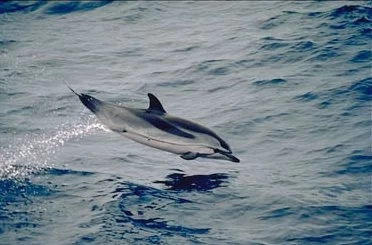

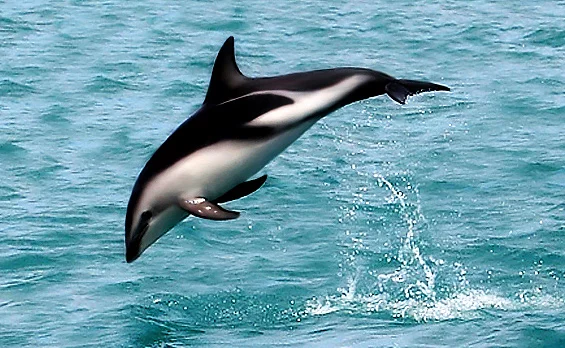


That yellow band is such an easy giveaway once you know to look for it.