Dolphins of the North Pacific: Species Guide
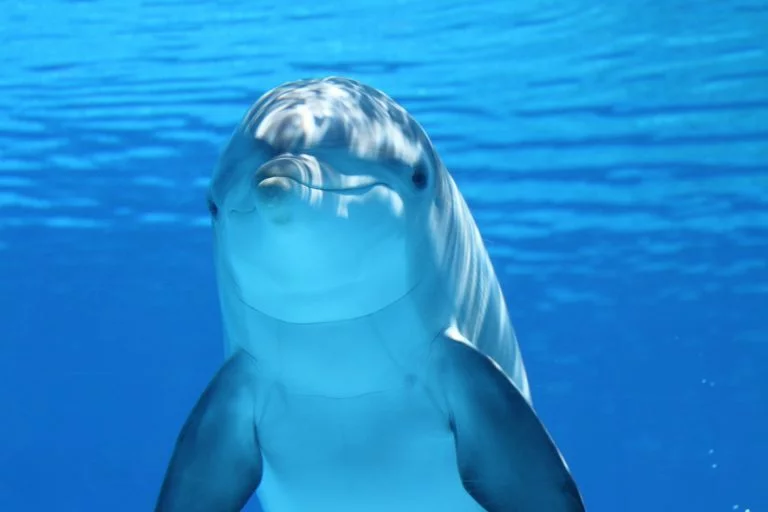
Pacific White-sided Dolphin (Aethalodelphis obliquidens), by gailhampshire from Cradley, Malvern, U.K, CC BY 2.0, via Wikimedia Commons.
The North Pacific is the cold-water counterpart of the North Atlantic, and it has its own distinctive cast of dolphins. From the energetic Pacific white-sided dolphin to the much-studied orcas of the Pacific Northwest, this is one of the richest cetacean regions on Earth. This guide covers the main species, the best hotspots, the threats they face, and when to visit.
A productive, two-faced ocean
The North Pacific stretches from the cold, nutrient-rich waters of the Bering Sea and the Gulf of Alaska down to the warm-temperate coast of southern California and Baja Mexico. Cold currents, deep submarine canyons close to shore, and seasonal upwelling drive huge blooms of plankton and fish, which in turn support dolphins. The temperature range across the region means a cold-water specialist and a warm-water dolphin can both find a home here, which is why the species list is so varied. In the Bering Sea some orcas have learned to take fish off Alaskan fishermen’s longlines.
Species you might encounter
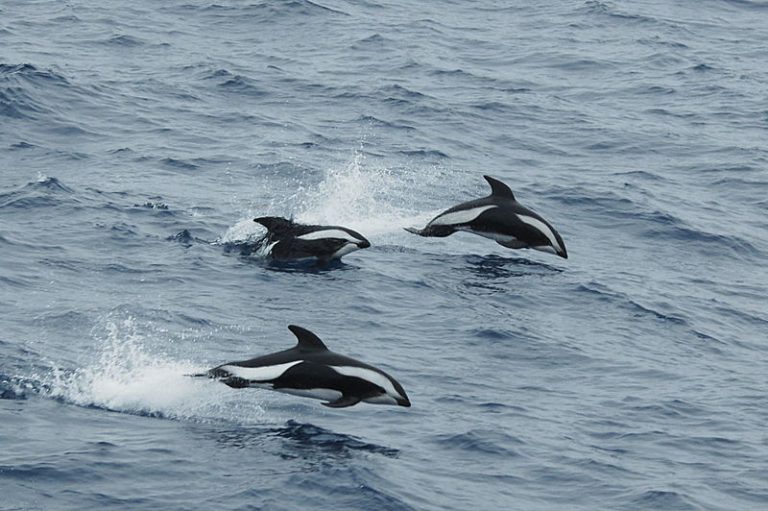
Pacific white-sided dolphin (Aethalodelphis obliquidens, moved out of Lagenorhynchus in a 2025 revision): the iconic cold-temperate North Pacific dolphin, strikingly marked in grey, white, and black, and famous for travelling in large, fast, acrobatic groups.
Dall’s porpoise (Phocoenoides dalli): the largest of the porpoises at up to 2.3 m, with a bold black-and-white pattern often mistaken for a baby orca. It is one of the fastest small cetaceans, throwing up a distinctive rooster tail of spray as it swims.
Northern right whale dolphin (Lissodelphis borealis): a slender, finless, fast-swimming open-ocean dolphin, the only Northern Hemisphere dolphin with no dorsal fin, which makes a group look like a string of low dark shapes.
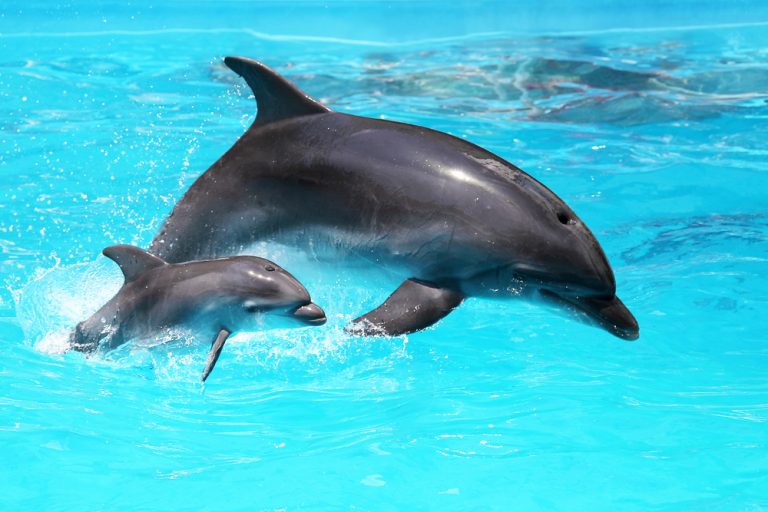
Common bottlenose dolphin: resident off southern California and northern Mexico, where a warm-temperate coastal population lives close inshore.
Risso’s dolphin: a regular along the California coast and around Hawaii, favouring deep water over the shelf edge.
Orca: the North Pacific has resident, transient (also called Bigg’s), and offshore orca populations. The Pacific Northwest residents are the most intensively studied orcas anywhere in the world.
Where to see them
Monterey Bay (California): a deep submarine canyon brings rich water close to shore, giving reliable sightings of Risso’s, Pacific white-sided, and common dolphins, along with orca and humpback whale.
San Juan Islands (Washington): the traditional summer range of the Southern Resident orca, organised into the J, K, and L pods.
Vancouver Island (British Columbia): home waters for northern resident orca and a strong area for transient orca that hunt seals and porpoises.
Kona (Hawaii): warm tropical water with spinner, rough-toothed, false killer whale, and melon-headed whale, several of them best seen on early morning trips.
Safety
Most North Pacific dolphin watching is from commercial vessels operating under strict viewing regulations. The US Marine Mammal Protection Act applies in US waters, prohibiting harassment, chasing, and close approach. In the Salish Sea, additional rules require boats to keep extra distance from the endangered Southern Resident orca. Choosing an operator that follows these rules is the single best thing a visitor can do for the animals.
Conservation status in the North Pacific
Most North Pacific dolphin species are listed as Least Concern globally, but the picture is not uniform. The Southern Resident orca are Endangered, and the Center for Whale Research census of 1 July 2026 counted 76 individuals, up from 74 a year earlier. Their decline is tied closely to the collapse of Chinook salmon, their preferred prey, alongside vessel noise and accumulated pollutants.
Dall’s porpoise has faced a different pressure: a directed Japanese hand-harpoon hunt rather than incidental bycatch. That hunt peaked in 1988, when more than 45,000 animals were taken in a single year. International pressure in 1990 forced catch reductions, and the reported take is now a small fraction of the quota, though the fishery still operates. Across the wider region, climate-driven shifts in prey, salmon above all, are reshaping where orca and resident bottlenose dolphins can feed.
Best time to visit
May to October is the peak window for Monterey Bay and the Pacific Northwest, when the sea is calmest and resident animals are most reliably present. Summer is also the traditional season for Southern Resident orca in the San Juan Islands. Hawaii, by contrast, offers good dolphin watching year-round thanks to its stable tropical conditions.
Read next
Frequently asked questions
What dolphins live in the North Pacific?
Pacific white-sided dolphin, Dall’s porpoise, northern right whale dolphin, common bottlenose dolphin, Risso’s dolphin, and orca are the main species.
Where is the best place to see orcas in the North Pacific?
The San Juan Islands in Washington and Vancouver Island in British Columbia are the most reliable spots for resident orca.
Are North Pacific orcas endangered?
The Southern Residents are, with 76 individuals counted in the July 2026 census. Other North Pacific orca populations are stable or unassessed.
When is the best time to see dolphins in Monterey Bay?
May to October offers the calmest conditions and most reliable sightings. Risso’s dolphins peak in late summer.
Do North Pacific dolphins migrate?
Some populations do. Pacific white-sided dolphins move offshore in winter, resident orca pods stay broadly local, and transient orca cover much larger ranges in search of marine mammal prey.
Updated 25 October 2026: updated the Pacific white-sided dolphin’s scientific name and the Southern Resident orca count.