Dolphin Senses: Taste, Smell and Electric Sense Explained
Dolphins have lost smell and most of their taste, yet they can recognise a friend by urine and sense weak electric fields. Here is what scientists found.


Dolphins have lost smell and most of their taste, yet they can recognise a friend by urine and sense weak electric fields. Here is what scientists found.
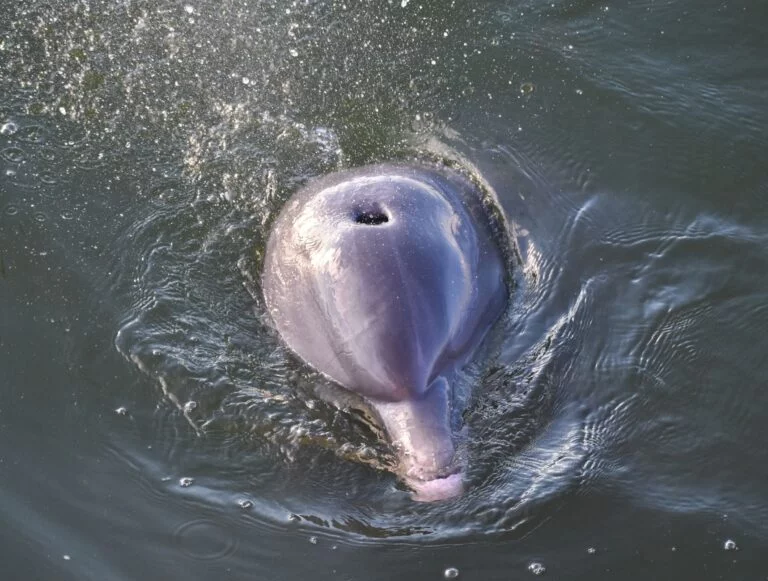
One sealed blowhole, a quick breath at the surface, and a body built to store oxygen. Here is how dolphin breathing works.

The fossil steps from a hoofed wader to a whale with a tail fluke, and what each skeleton tells us about how dolphin ancestors left the land.

Dolphins have no birth certificates. Here is how researchers read age from teeth, X-rays and decades of sightings, and why the method fails most for the oldest animals.
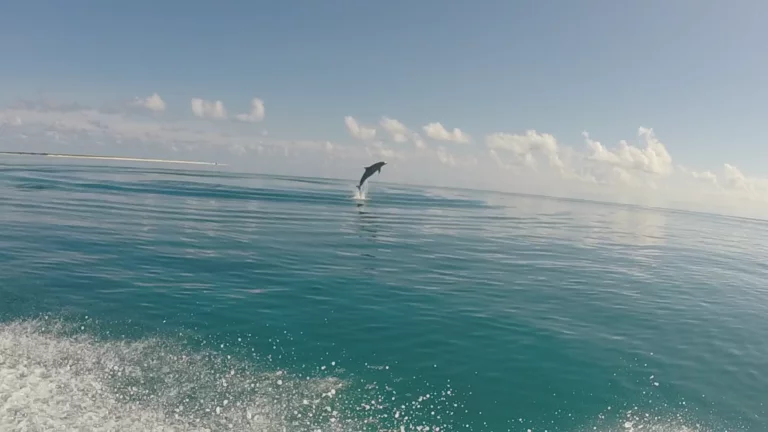
Bottlenose dolphins cruise at 3 to 6 km/h and sprint up to 30 km/h. A 1936 calculation said that should be impossible. Here is how it was settled.
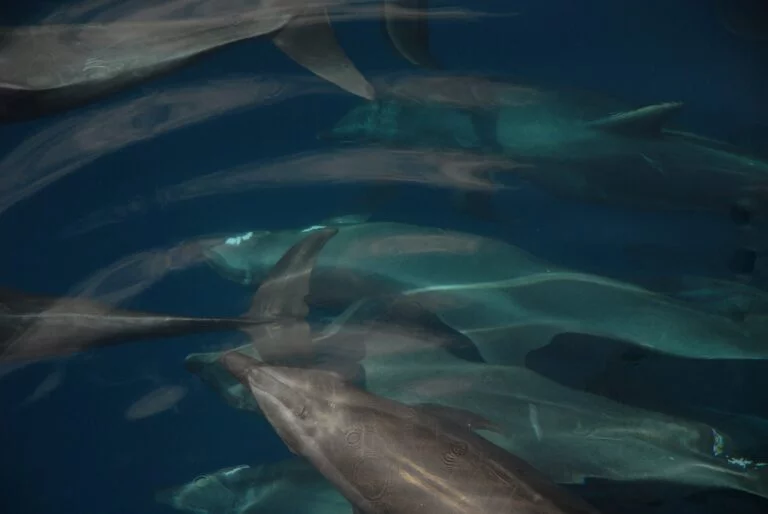
Bottlenose dolphins blow air into spinning rings and play with them. Here is how they make them and what researchers think it means.
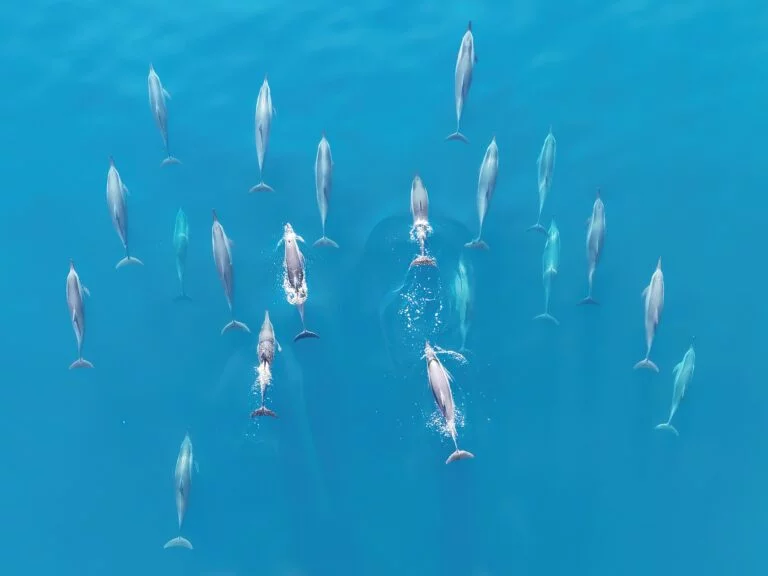
How many kinds of dolphin are there? A guide to the 38 oceanic dolphins, the “whales” that are dolphins, and the five river dolphins.
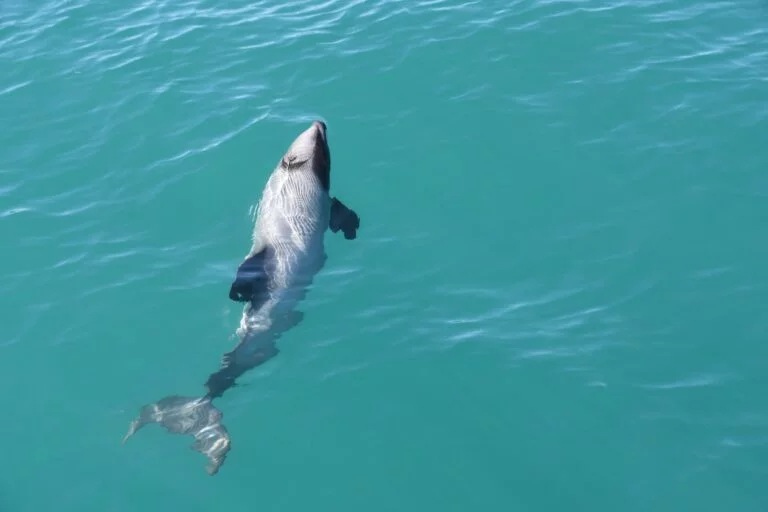
Some dolphins number in the thousands and others in the dozens. Here is how the main agencies rate the Māui dolphin, Hector’s dolphin, Atlantic humpback dolphin and baiji.

A bottlenose dolphin pregnancy lasts about a year, and the calf then nurses for around 20 months. Here is what NOAA and researchers say about birth, baby position and the first years.
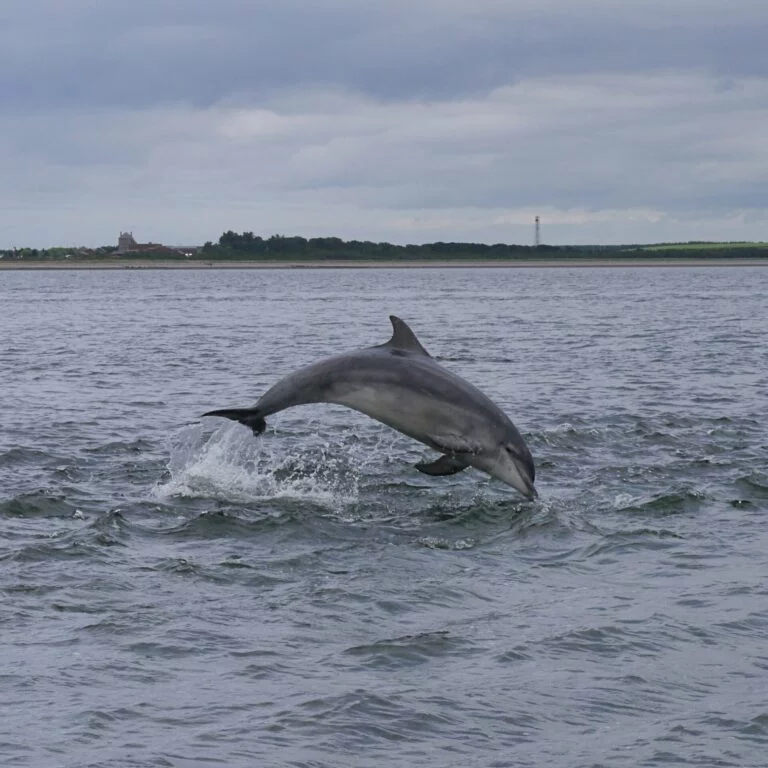
Where and when to watch dolphins in Scotland: Chanonry Point and Aberdeen’s harbour mouth from the shore, the Hebrides by boat, with tide timing, species and the watching code.
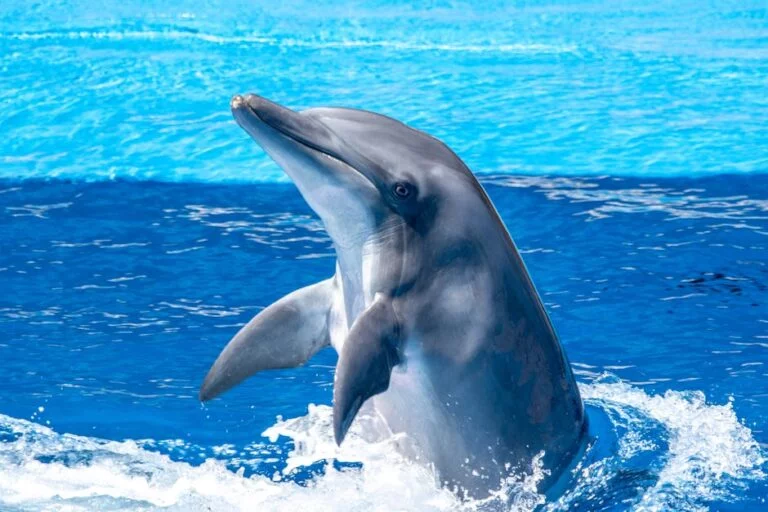
Pelorus Jack, Opo, Fungie, Winter and JoJo: the individual dolphins with the best-documented records, and the laws two of them prompted.

Apollo at Delphi, the pirates turned to dolphins in the Homeric Hymn to Dionysus, Arion and Herodotus, Taras on the Tarentine coins, and what Aristotle already knew.
We send one careful dolphin roundup per month. Conservation news, species profiles, the occasional reader question we could not resist answering.
We never share your email. One-click unsubscribe.