
The Russian Business Of Killer Whale Trade
While most of the western world has been closing its dolphin shows, the supply chain that stocked them did not disappear. It moved. For most of the last two decades the buyers have been Chinese marine parks and the biggest single supplier has been Russia.
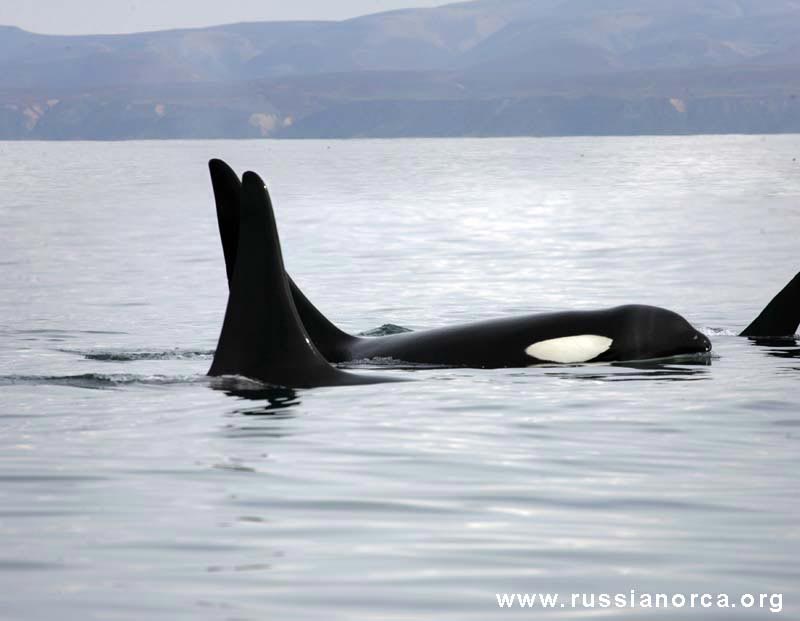
Featured image: a pod of killer whales in Russian waters (photo: FEROP).
How the trade started
In the 1970s, aquarium owners in Canada and the United States competed to acquire killer whales, and audiences turned up in numbers. Public sentiment then shifted, helped along by decades of evidence and documentary footage about what captivity does to a wide-ranging social predator. Live capture of orcas in United States waters ended, parks began closing, and demand in the west fell away.
Russia became the alternative source. The first commercial killer whale capture in Russian waters took place in 2003, when a young female was caught off the Kamchatka Peninsula on 26 September and moved thousands of kilometres to a Black Sea facility. She died in October 2003, less than a month into captivity.
Why it has been profitable
Orcas, belugas and bottlenose dolphins draw crowds, and China’s marine park sector expanded while the western one contracted. A 2015 report by the China Cetacean Alliance counted 39 operational ocean theme parks in China holding 491 cetaceans from 11 species, with a further 14 parks under construction.
Erich Hoyt, co-director of the Far East Russia Orca Project, has pointed out that Chinese parks do not capture the animals themselves. They pay for them, and a live killer whale has been reported to sell for around a million US dollars. The same project documented Iceberg, an all-white adult male orca, off the Commander Islands in 2010.
Where the loopholes are
Russian capture permits have been issued for education, science and cultural purposes rather than straightforward commercial sale, which is the gap the trade has operated through. Animals taken under one heading end up exported under another, so the declared figures are widely assumed to understate the real total.
The scale became hard to ignore in 2018, when around 100 belugas were illegally captured for live export. They were held in sea pens in the Russian far east, in a facility that international coverage named the whale jail. The story ran for months and put the capture programme under a level of scrutiny it had not faced before.
What the capture itself does
The animals are netted. In a net set around a pod, dolphins and whales other than the target can become entangled and drown before the capture is finished, and the survivors lose members of a group they may have lived with for their whole lives. Hunters also tend to take young females, which are the most valuable to buyers and the most costly for a pod to lose.
The population figures that would tell you whether any of this is sustainable largely do not exist. Much of the baseline survey work in Russian waters dates to the Soviet period, so nobody can say with confidence how many orcas or belugas remain in the areas being fished for them.
What we cannot confirm
After the whale jail story, Russia set a zero quota for live orca and beluga captures for 2019 and barred the export of animals caught in its waters. In 2021 its Federal Agency for Fishery extended the capture ban to 2023. We have not found a public record of what replaced it after 2023. If you follow this trade, leave a comment and we will update the page.
Updated 25 October 2026: added the 2019 zero quota and the 2021 capture ban extension, and corrected the transfer distance.

This practice should be stopped for all marine mammals in Russia and everywhere.