
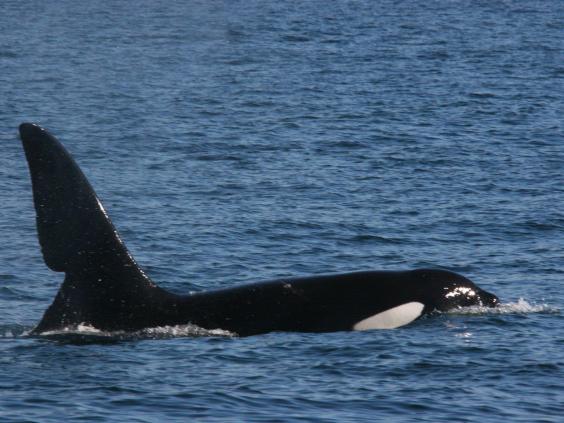
A Very Grim Future For The Last Killer Whales in The UK
Britain has one resident pod of killer whales, off the west coast of Scotland, and it has not produced a calf in the entire time anyone has been watching. When this post first ran in 2020 there were eight animals left. Only two have been seen with any regularity since.
The West Coast Community
The group is known as the West Coast Community, and it is the only pod of orcas resident in UK waters. Other killer whales pass through, mainly herring-following animals from Iceland and Norway, but they are visitors. This pod stays.
The individuals were given names by the researchers who track them: John Coe, Aquarius, Puffin, Nicola, Moneypenny, Comet, Floppy Fin and Occasus, plus a female called Lulu who was found dead on Tiree in 2016. In recent years only John Coe and Aquarius have been reliably recorded, which means a community that was already too small to recover is now, in practical terms, two old animals.
In all the decades of observation, no calf has ever been recorded in this pod.
PCBs are the main suspect
Nobody can point to a single proven cause, but polychlorinated biphenyls are the leading candidate. PCBs were industrial chemicals used in electrical components and countless other products before being banned across most of the world. They break down extremely slowly, they concentrate in fat, and European waters carry some of the highest burdens measured anywhere.
A 2016 analysis published in Scientific Reports found PCB concentrations in European killer whales, bottlenose dolphins and striped dolphins that greatly exceed the levels at which severe toxic effects are known to occur, and linked those levels to reproductive failure and population decline. Killer whales sit at the top of the food chain, so everything their prey has accumulated ends up in them, and a mother passes a large share of her own load to her first calf through milk.
Lulu made the case concrete. When she was examined after stranding on Tiree, she carried one of the highest PCB burdens ever recorded in a marine mammal, and she had never borne a calf despite being an adult female.
A closed group
Contamination is not the only problem. Killer whale societies are tight and slow to admit outsiders. Males in particular stay with their mothers for life, leaving only briefly to mate before returning. Nobody has recorded the West Coast Community breeding with the migratory orcas that pass through, and there is no sign of new animals joining.
Part of the reason may be that they are not the same kind of animal. The West Coast Community belongs to the North Atlantic Type 2 ecotype: larger animals with a distinctively sloped eye patch that hunt other cetaceans. The orcas that visit Scottish waters to feed on herring are Type 1, smaller and fish-eating. The two ecotypes do not appear to mix.
What are the chances
Slim to none. Even setting aside contamination, orca females go through menopause, generally somewhere between their thirties and forties, and the females in this pod were long past that when the group still had four of them. With two animals left, both of them old, both of them male, the West Coast Community has no reproductive future. It is a pod that will end when they do.
What it leaves behind is a warning about persistent chemicals. PCBs were banned decades ago and they are still killing the animals at the top of the European food chain. For more on the species, see our orca profile, and for the wider picture, our dolphin conservation guide.


Oh no not the dolphins
So sad to read about the grim future of these whales.