Killer Whales Stealing Fish From Alaskan Fishermen
Bering Sea orcas have learned to recognise individual longline boats and strip the halibut and black cod off their gear. What it costs the fleet, and why pots may be the only answer.

Dolphin species profiles, behaviour, intelligence, and the people working to protect them. From bottlenose pods off Orange Beach to the Yangtze finless porpoise, one site that loves them all.
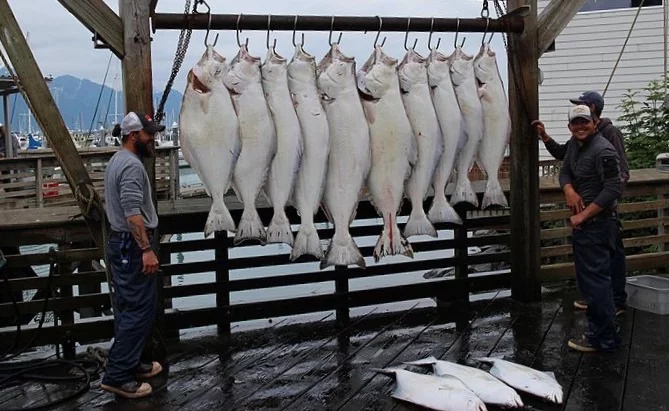
Bering Sea orcas have learned to recognise individual longline boats and strip the halibut and black cod off their gear. What it costs the fleet, and why pots may be the only answer.

The Irrawaddy dolphin in detail: five Critically Endangered subpopulations counted animal by animal, the Ayeyarwady cooperative fishery, and why gillnets decide this species’ future.

A 2020 survey counted 79 Irrawaddy dolphins in the Ayeyarwady River, the ones that fish cooperatively with people. Laos has already lost its population entirely.
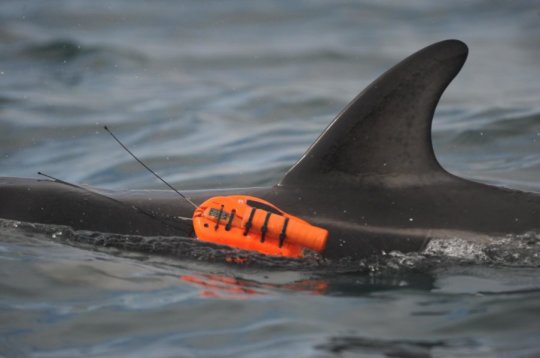
Researchers put suction-cup cameras on wild dusky dolphins off Kaikoura and recorded close to nine hours of footage: mothers with calves, play in the kelp, and flipper rubbing between pod members.

The orca is the largest dolphin on Earth and at least ten distinct ecotypes that hunt, sound and behave like separate animals. Facts, diet, family structure, lifespan and conservation.

Three-chambered stomachs, half-a-brain sleep, land-walking ancestors and a hippo for a cousin. Twenty-five dolphin facts, checked and corrected, five more from recent research, and a quick quiz.
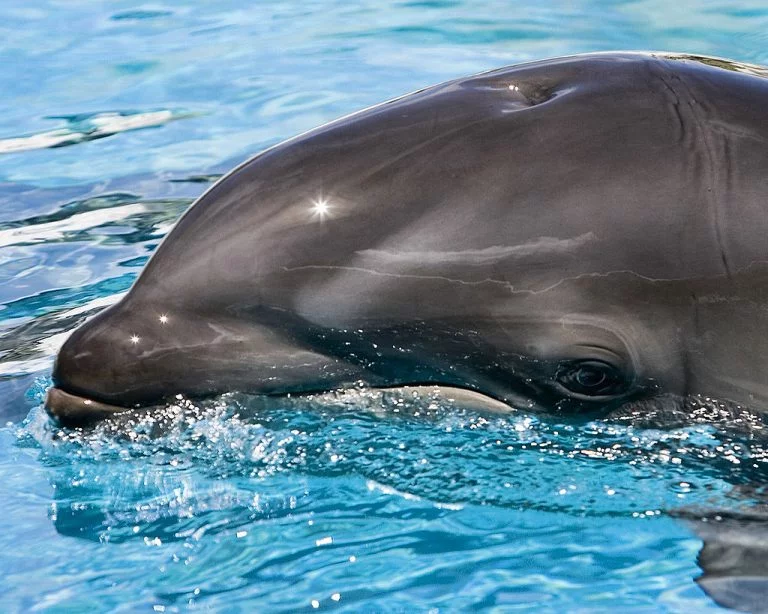
Kekaimalu, born at Sea Life Park in 1985 and dead in July 2024, was the only wholphin to reach adulthood. Here is what she was, and what she was not.
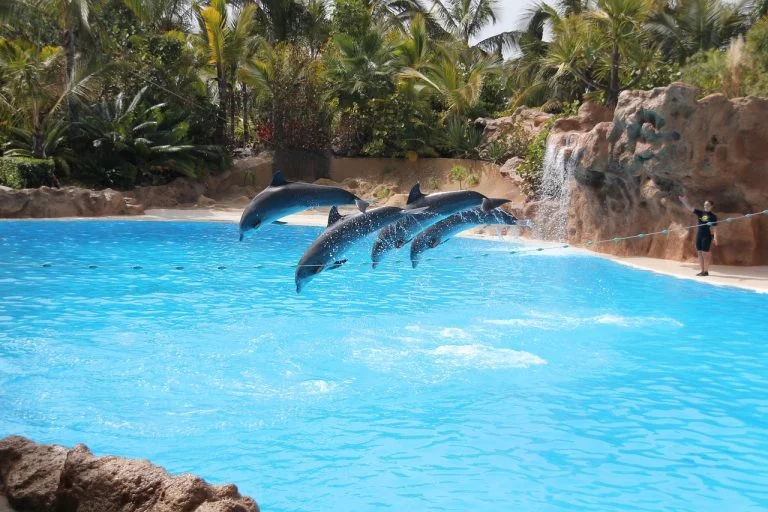
Where the dolphin captivity industry came from, how the animals are caught, what the trade is worth, and what the law does and does not stop. Ten facts, with the numbers checked.
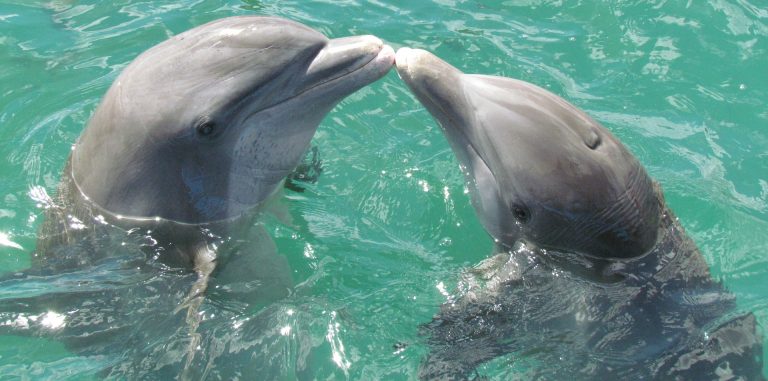
Why dolphins ended up in tanks, what capture and transport involve, the Tilikum story behind Blackfish, which countries have banned cetacean display, and where captivity is still legal.
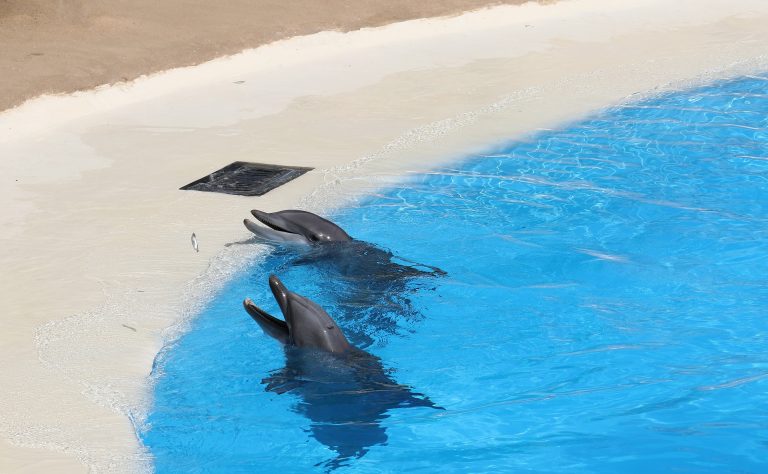
Collapsed fins, worn teeth, repetitive swimming and raking: the signs that show up again and again in captive dolphins and orcas, and what each one is really telling you.
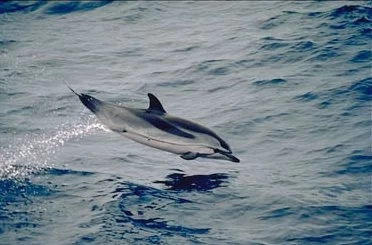
A deep-water dolphin with a stripe from eye to flank, over two million strong worldwide, and the species that suffered worst in the Mediterranean morbillivirus die-off of the early 1990s.

The echolocation mechanism is plausible and the anecdotes are everywhere, but no controlled study has ever been run. Also: medical ultrasound came from naval sonar, not from dolphins.
We send one careful dolphin roundup per month. Conservation news, species profiles, the occasional reader question we could not resist answering.
We never share your email. One-click unsubscribe.