Killer Whales Stealing Fish From Alaskan Fishermen
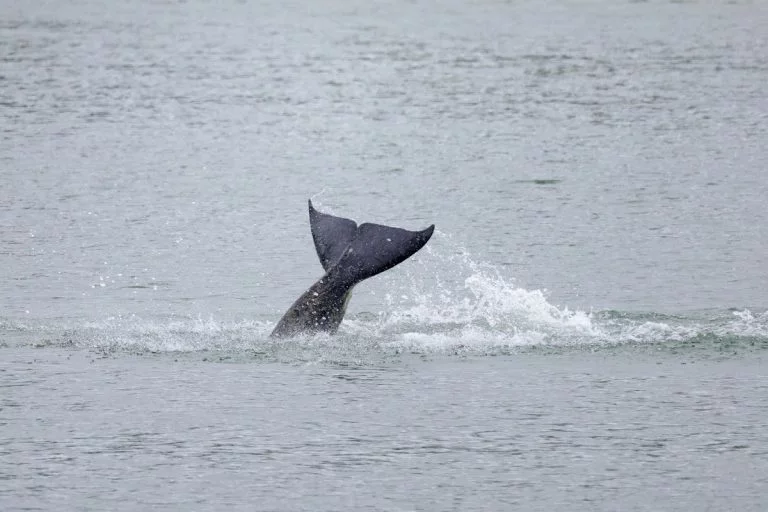
Dolphins are inventive about food, and nothing demonstrates that better than the pods of killer whales that have learned to strip the catch off Alaskan longline boats.
In what reads like a comedy until you look at the numbers, orcas in the Bering Sea trail the boats of Alaskan fishermen and take the fish off their gear. The Bering Sea lies between Alaska and Russia, and the fishing grounds run along the edge of its continental shelf. Studies estimate that at least 1,475 killer whales use western Alaska waters, and the same grounds hold the halibut and black cod that draw the fleet.
No laughing matter
For the crews affected this is a livelihood problem, not an anecdote. The pods chase down the halibut and black cod hooked on longlines, and fishermen say the whales have gone from an occasional nuisance to a constant one. They now target the lines directly, holding station behind a vessel and cleaning the gear as it comes up.
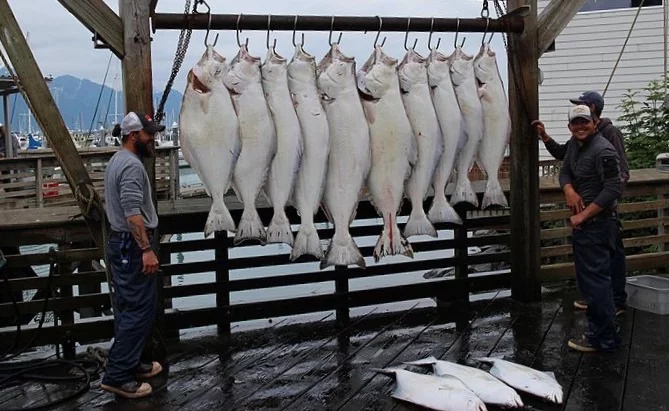
The quantities are not small. Fishermen say they can harvest 20,000 to 30,000 pounds of halibut in a single day, then take next to nothing the following day once a pod has recognised the boat. What comes up can be halibut lips still attached to the hooks, or nothing at all. On top of the lost fish, crews burn thousands of gallons of fuel trying to shake the whales off.
The whales can recognise specific boats
This is not new behaviour. Japanese fishermen first ran into thieving orcas in the 1950s. What is new is the intensity, and the fact that dedicated research on the Bering Sea problem only goes back to 1995, so the long-term picture is thin.
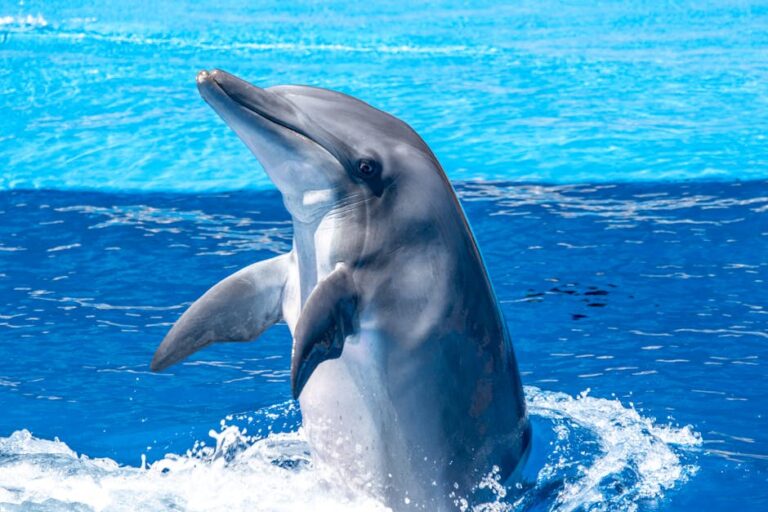
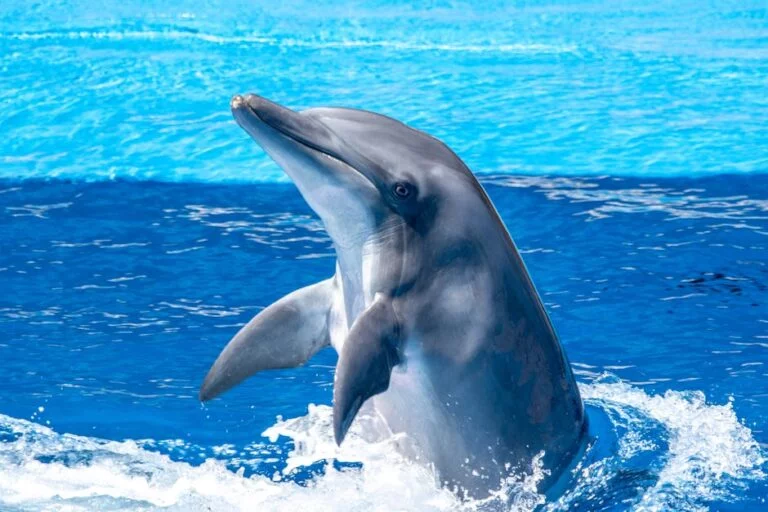
Orcas are dolphins, and among the most cognitively capable animals in the ocean. They hunt strategically and they learn. John Moran, a NOAA fisheries biologist, has pointed out that killer whales can tell the sounds of different boats apart and probably learn the sound a particular hydraulic system makes as it lowers gear into the water. In other words, the pod is not following the fish. It is following the vessel.
Robert Hanson, captain of the FV Oracle, lost around 12,000 pounds of sellable halibut on one April trip and burned 4,000 gallons of fuel trying to outrun the whales. As he described it, the pod tracked him 30 miles north of the shelf edge and 35 miles west, then sat with him for 18 hours while he drifted with all machinery shut down. He wrote to the fishery managers about it.
Fisherman Jeff Kauffman has reported the same pattern of whales singling out particular vessels. Hanson has also noted juvenile orcas turning up alongside the adults, which suggests mothers are teaching their young where the easy meals are.
Possible solutions
Deterrents have not worked well. Jay Hebert, captain of the Aleutian Sable, tried sonars that emit a frequency intended to keep whales away and found them not effective enough to rely on.
The more promising route is gear rather than noise. Switching from longlines to pots, which enclose the catch, removes most of the free meal. Federal managers allowed pots in the Gulf of Alaska sablefish fishery from the 2017 season, partly to cut losses to whales. For now the whales have the advantage, and they are using it.
Continue exploring at our store
If this article sparked your interest, head over to the endangered status of dolphins guide and the We Love Dolphins store for related reads and gear.
For the broader picture, see our full dolphin facts guide.
Updated 25 October 2026: corrected the description of the Bering Sea and added the 2017 approval of pot gear in the Gulf of Alaska.