

Vaquita: The World’s Most Endangered Marine Mammal
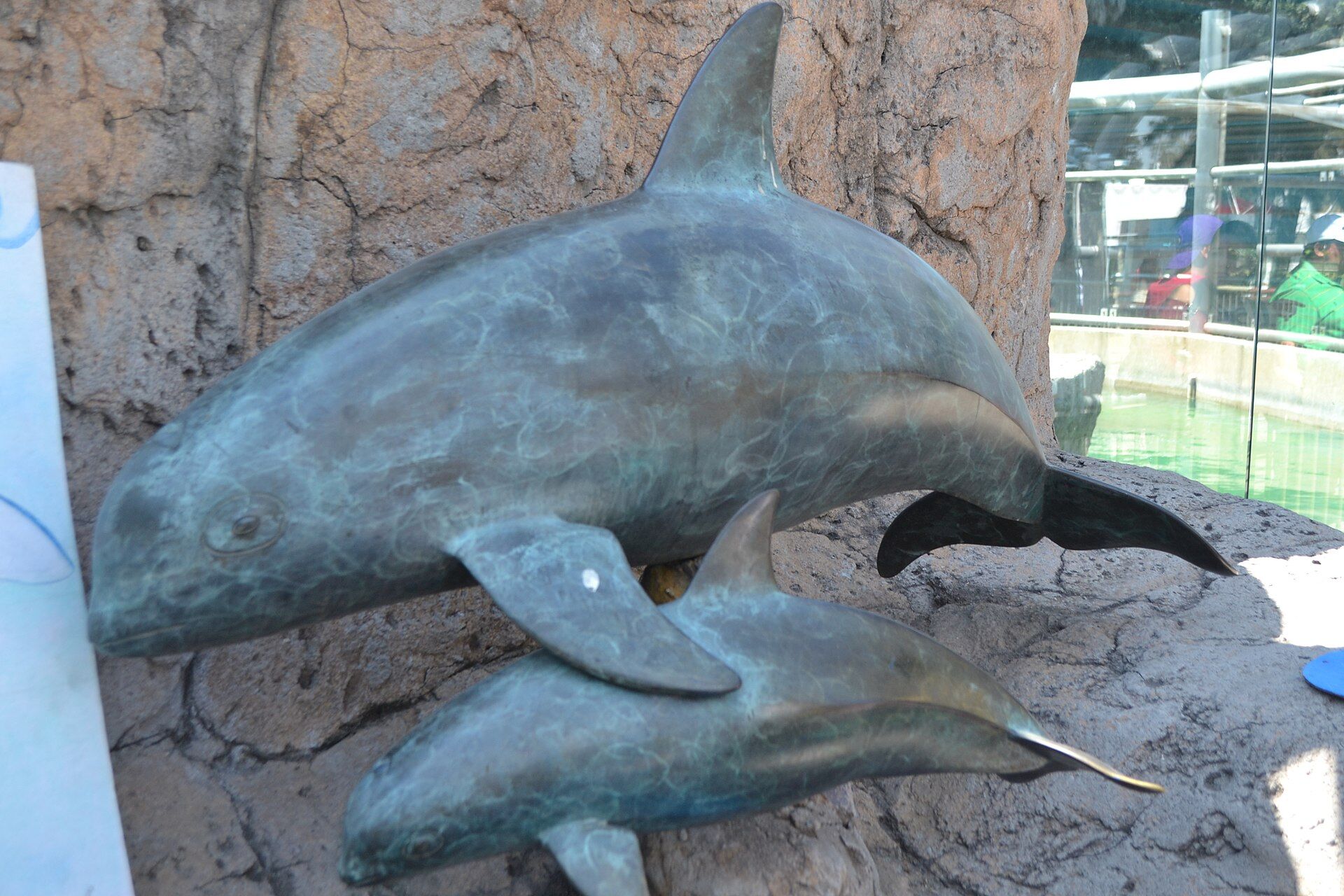
The vaquita (Phocoena sinus) is the world’s smallest and most endangered cetacean. It survives in one small patch of the northern Gulf of California, Mexico, and the counts are now tiny. In the September 2025 survey, observers most likely saw 7 to 10 different vaquitas (a 67 percent probability), up from 6 to 8 in 2024, according to the survey report by Mexico’s protected areas agency CONANP, Sea Shepherd and IUCN and NOAA scientists. Those are animals seen in the survey area, so the true total may be a little higher. Without enforced bycatch reduction there is no version of this story where the vaquita survives.
What the vaquita looks like
Adults are 1.2 to 1.5 m long and weigh about 30 to 55 kg (65 to 120 pounds), according to NOAA Fisheries. That makes the vaquita one of the smallest cetaceans. Females are longer than males, though males have larger fins.
The species has dark eye patches and lip patches that give it a striking facial pattern. The dorsal fin is tall and triangular relative to body size, an adaptation thought to help dissipate heat in the warm, shallow waters of the upper Gulf.
Vaquitas are shy and rarely surface aerially. They were not formally described until 1958, and remain one of the least observed cetaceans in the wild.
Why the vaquita is dying out
The single largest cause of vaquita mortality is bycatch in illegal gillnets set for totoaba (Totoaba macdonaldi), a large fish whose swim bladder is highly valued in traditional Chinese medicine and can sell for thousands of dollars on the black market.
Mexico has periodically declared the upper Gulf a vaquita refuge and banned gillnet use, but enforcement is patchy and the totoaba trade is run by organised crime networks. The Sea Shepherd Conservation Society has run boat patrols pulling illegal nets out of the water since 2015.
NOAA Fisheries sets out the decline. Full surveys found around 600 vaquitas in 1997 and about 200 in 2008. Illegal fishing for totoaba grew from around 2011 and drove a decline of close to 50 percent a year. The last full survey, in late 2015, estimated about 60 animals, and acoustic monitoring put the number near 30 in 2016.
Conservation status and recovery prospects
The vaquita is listed as Critically Endangered on the IUCN Red List (assessed 2022) and on Appendix I of CITES. The species cannot survive in captivity: a 2017 emergency capture attempt (VaquitaCPR) was abandoned after an adult female died of capture stress.
Recovery depends entirely on enforcement of the gillnet ban in the upper Gulf, paired with a workable alternative income for local small-scale fishers. The 2025 survey saw at least one calf, and drone images showed young animals surviving their first years, so the remaining vaquitas are still breeding. A new population estimate from the 2025 acoustic data had not been published by the August 2026 survey report. That is the one piece of good news, and it does not last long without the nets coming out.
Why the vaquita matters
Beyond its intrinsic value, the vaquita is an emblem of how local fisheries management, international wildlife trade, and organised crime can together push a species to the brink in under 30 years.
The vaquita is one of seven living porpoise species in the family Phocoenidae. If it goes, the Gulf of California loses a predator found nowhere else on Earth.
Read next
Frequently asked questions
How many vaquitas are left?
Very few. The September 2025 survey most likely saw 7 to 10 different vaquitas, up from 6 to 8 in 2024. These are animals seen in the survey area, not a full count, and a new abundance estimate from the 2025 acoustic data has not been published yet.
Why are vaquitas going extinct?
Bycatch in illegal gillnets set for totoaba, a fish whose swim bladder is trafficked into the Chinese traditional medicine market. The vaquita has no other significant threat.
Can vaquitas be saved by captive breeding?
Almost certainly not. The 2017 VaquitaCPR programme attempted captures and abandoned them after capture stress killed an adult female. The species appears to be too sensitive to survive in captivity.
Where do vaquitas live?
Only in a small area of the upper Gulf of California, Mexico, mostly between the Colorado River delta and around 30 km offshore.
Is the vaquita extinct?
Not yet. Live calves have been confirmed in recent surveys, meaning the population is still reproducing. The window for recovery is extremely small.
Sources
- Cárdenas-Hinojosa and others: Vaquita Research Campaign 2025, report of the September vaquita survey
- IUCN SSC Cetacean Specialist Group: joint visual and acoustic survey finds vaquitas surviving and reproducing (November 2025)
- Report of the 2026 campaign for visual observer training and photographing of vaquita (August 2026)
- NOAA Fisheries: Vaquita
- IUCN Red List: Phocoena sinus (2022 assessment)
Updated 16 November 2026: restated the 2024 and 2025 survey results as animals seen, with the survey report linked, added NOAA’s sizes and decline history, the 2022 IUCN assessment, and a sources list.


Only a handful left. I knew it was bad but not that bad. The totoaba trade has a lot to answer for.
It is grim. The post is blunt about it: everything now depends on keeping illegal gillnets out of the upper Gulf.