

1,400 white-sided dolphins killed in Faroe Islands
On 12 September 2021, 1,423 Atlantic white-sided dolphins were killed, according to the official Faroese catch record (first reports said 1,428), in a single drive at Skalabotnur beach in Eysturoy, in the Faroe Islands. It was the largest single dolphin hunt ever recorded on the islands, and the images of a blood-red fjord travelled around the world within hours. Even the chairman of the Faroese Whalers Association, Olavur Sjurdarberg, called the hunt excessive. Here is what happened, why the Faroese still practise the hunt, and what changed afterwards.
For the broader picture, see our dolphin conservation guide.
What the grindadrap is
The grindadrap, often shortened to “the grind”, is a community drive hunt that has been recorded in the Faroe Islands since at least the 16th century. Boats herd a pod of cetaceans into a shallow bay, where the animals are killed on the beach. The meat and blubber are then divided among the local community without commercial sale. The Faroe Islands are a self-governing territory of the Kingdom of Denmark, with a population of just over 50,000 people, and the hunt is regulated by Faroese authorities rather than Copenhagen.
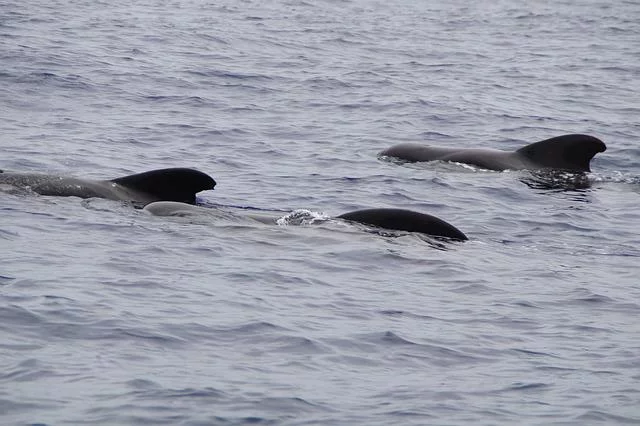
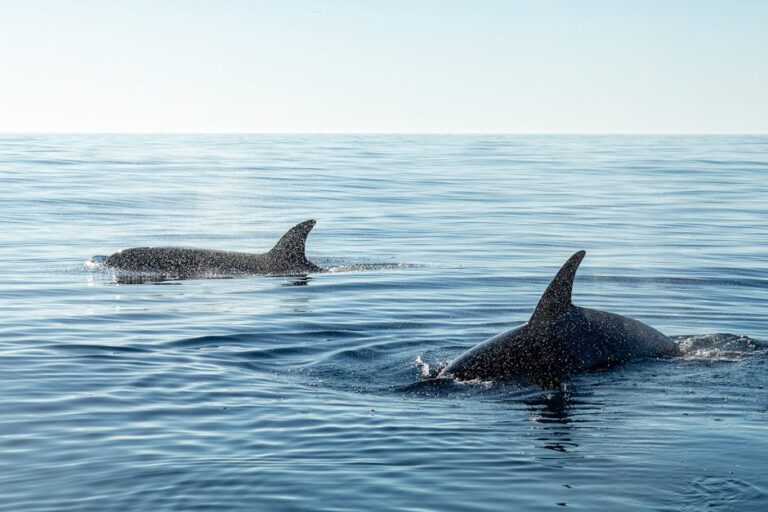
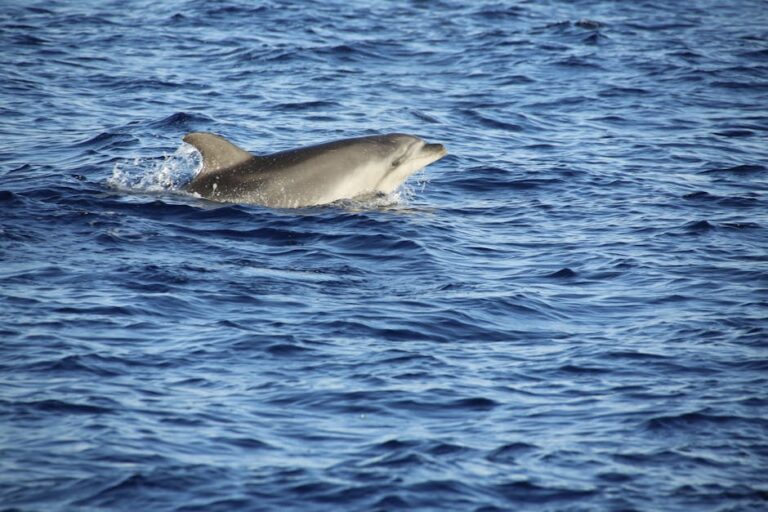
The usual target is the long-finned pilot whale, which despite its name is a member of the dolphin family. Atlantic white-sided dolphins (Lagenorhynchus acutus) are taken far less often. The species is a fast, social dolphin that grows to about 2.8 metres and travels the cold North Atlantic in pods that can number in the hundreds.
Why September 2021 was different
White-sided dolphin catches are normally a fraction of this. Since 1996, only three seasons had exceeded 500 animals: 2001, 2002 and 2006. The previous high was 773 dolphins taken across the whole of the 2002 season. The 2021 drive killed nearly twice that in an afternoon.
According to Sjurdarberg, the hunters initially believed they were driving a pod of around 200 dolphins. The animals were spotted far offshore and herded a long distance before anyone realised the pod was many times larger. By the time the drive reached the beach it was too late to release them. Faroese reporting afterwards found the hunt foreman had not been notified as protocol required, that the drive went wrong in several respects, and that there were not enough people on the beach to kill the animals quickly, which prolonged their deaths.
The backlash, at home and abroad
The reaction inside the Faroe Islands was unusually strong. A hunt of this size drew criticism from Faroese residents who normally accept the tradition. A survey taken afterwards found 53 percent of Faroese opposed dolphin hunting, while 83 percent still supported the pilot whale hunt. That split matters: many Faroese draw a line between pilot whales, long established in the diet, and dolphins, which are hunted only occasionally.
International conservation groups, including Sea Shepherd, publicised the hunt widely, and campaigners called for boycotts of Faroese seafood. The pressure had a concrete result. In 2022 the Faroese government introduced a provisional annual limit of 500 white-sided dolphins and reviewed the rules around large drives. Campaigners called the figure meaningless, given that catches above 500 had happened only three times in 25 years. Pilot whale hunting, the core of the tradition, continued unchanged. In July 2022 hunters killed around 100 bottlenose dolphins in one drive, which we cover in Faroe Islands slaughtered 100 bottlenose dolphins.
Why drive hunts still happen
The Faroese defend the grind on three points. The islands have thin soil and a short growing season, so historically the sea provided most protein. The meat is shared rather than sold, which they argue makes it different from commercial whaling. And the hunt is legal under Faroese law, with the long-finned pilot whale not classed as endangered.
Critics raise serious concerns in return. Faroese health authorities have warned for years that pilot whale meat carries high levels of mercury and other contaminants and is not safe to eat regularly. The welfare of a drive that can take many minutes from herding to killing is disputed. And a hunt that scoops up an entire pod, as happened in 2021, removes animals indiscriminately rather than by any quota.
How this fits the wider picture
The Faroese grind is not the only drive hunt that has drawn global attention. The annual dolphin drive at Taiji in Japan, documented in the Oscar-winning film The Cove, works on a similar principle of herding pods into a confined bay. The 2021 Faroe hunt is a reminder that dolphin populations face pressure not only from pollution and bycatch but from organised hunts in wealthy, democratic countries. You do not have to be an activist to see that killing more than 1,400 dolphins in a single afternoon, by the hunters’ own account, was neither planned nor sustainable.
Will anything change?
The 2021 hunt did move the rules. The new dolphin cap, and the rare sight of Faroese residents publicly objecting, suggest the practice is not as fixed as it once seemed. Whether the limit holds, and whether dolphin hunting fades while pilot whaling continues, will depend on Faroese opinion as much as outside pressure. For anyone following dolphin conservation, the grind is worth understanding not as a single shocking headline but as a long tradition now under genuine internal debate.
Updated 25 October 2026: corrected the number of dolphins killed to the official catch record.



Really sad! Even if it is a tradition, that doesn’t mean that they have to be so excessive.
Ugly tradition.
These dolphin slaughters are so tragic and devastating.
that is a total bummer. what a devastating waste
NO please why would someone hurt dolphins?
That is just Godless , killing those dolphins. One day those people who did that will face their maker
It’s not what I would do but different countries have different customs. Dolphins are awesome.
this is wrong
Do they eat them or gather resources from them?
Why, I can’t understand ://
I love Dolphins- humanity is evil