France Set to Euthanize a Sick Killer Whale
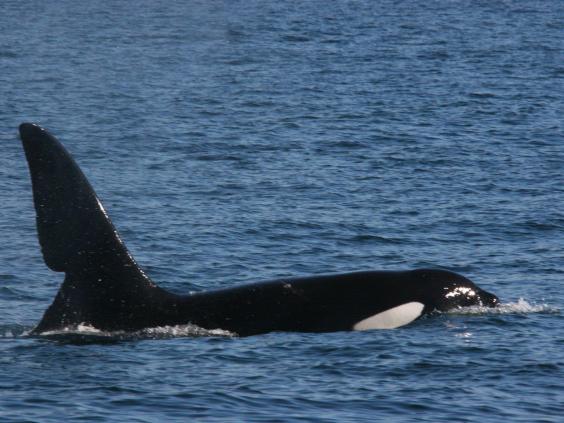
In May 2022, a sick orca was found far up the River Seine in France. After a failed attempt to guide it back to sea, experts decided the only humane option left was to euthanise it. Before that could happen, the animal died on its own. This page keeps the account of that unusual event, then explains how a killer whale ended up dozens of miles inland, what the disease behind it was, and why river-stranded whales almost never survive.
For the broader picture, see our dolphin conservation guide.
How an orca ended up in the Seine
The orca, roughly four metres long, was first spotted in mid-May near the mouth of the Seine in Normandy, in the stretch between the port of Le Havre and the town of Honfleur. Rather than turning back to the open sea, it swam dozens of miles upstream, moving between harbours and ending up in the reach around Rouen, deep inside fresh water.
Orcas are ocean animals. A healthy one does not swim that far up a river. The Seine is tidal and brackish near its mouth, but the water turns fully fresh well before Rouen. A whale that pushes that far inland is almost always already in trouble, because it is heading away from food, away from the salinity its body is adapted to, and into water too shallow and confined for an animal of its size.
The rescue attempt that backfired
After a meeting of national and international marine mammal specialists, the local prefecture tried something inventive. Over the weekend, recordings of orca calls were broadcast over the river, on the theory that the whale would follow the sound of its own kind back toward the sea.
It did not work. Authorities described the animal as showing “lack of alertness, inconsistent reactions to sound stimuli and erratic and disoriented behaviour”, and the attempt was called off. The failure itself turned out to be diagnostic. A healthy orca should respond clearly to the calls of other orcas, because they are intensely social and intensely acoustic animals. The confused response told the team that the problem was the whale, not just its location.
The disease: mucormycosis
Reviewing the photographs and behavioural data, specialists concluded the orca was suffering from mucormycosis, a fungal infection that authorities described as increasingly seen among marine mammals. It takes hold in animals whose immune systems are already compromised, beginning in the skin and spreading inward.
That spread is the likely explanation for the erratic behaviour and the poor response to the recordings. A fungal infection reaching neural tissue disrupts normal navigation and decision-making, which is exactly what the observers were watching happen in real time.
A humane decision, and a natural death
The disease was very advanced and was almost certainly causing serious suffering. Regional authorities decided euthanasia was the only humane option left, both to end the animal’s pain and to allow proper study of the disease. Nature intervened first. The orca was found dead in the river on 30 May 2022, before the procedure could be carried out. Gerard Mauger of the cetacean study group GECC put it plainly: everything was ready to euthanise the orca, a male, when it was found dead.
Sea Shepherd France then watched over the body to stop it being struck by a passing ship, which would have compromised the autopsy.
What researchers learned afterwards
The animal is still yielding information years later. In March 2026, Lise Pernel, Anna Selbmann, Eve Jourdain and Charlotte Cure published “Last Calls of an Out-of-Habitat Killer Whale (Orcinus orca) in the Seine River” in the journal Aquatic Mammals, an acoustic analysis of the sounds the whale made during its final days in the river.
An animal that cannot be saved can still teach. This one gave researchers a rare chance to document how a large marine mammal behaves acoustically while dying a long way from where it belongs.
Why river strandings of whales rarely end well
- Wrong water. Marine whales are adapted to salt water. Prolonged time in fresh water disrupts their skin and physiology.
- Confined space. Rivers are shallow and narrow, with bridges, boat traffic and locks, leaving little room for a large animal to manoeuvre or be guided.
- An underlying cause. A whale that swims far up a river is usually already sick, injured or disoriented. The river is the symptom, not the original problem.
- Difficult rescue. Guiding a whale back to sea over many miles of busy river is extremely hard, and a sick animal may not cooperate even with clever methods.
The Seine orca is a clear example: a wrong-place sighting that was really a sign of a fatal illness. For a river sighting of dolphins that were still swimming freely, see the dolphins spotted in the River Ouse. To learn more about the species at the centre of this story, see our profile of the orca, the largest member of the dolphin family.
Continue exploring at our store
If this article sparked your interest, head over to the endangered status of dolphins guide at the We Love Dolphins store for related reads and gear.
Updated 25 October 2026: corrected the sex of the Seine orca.