Pilot Whales Strandings in Cape Cod
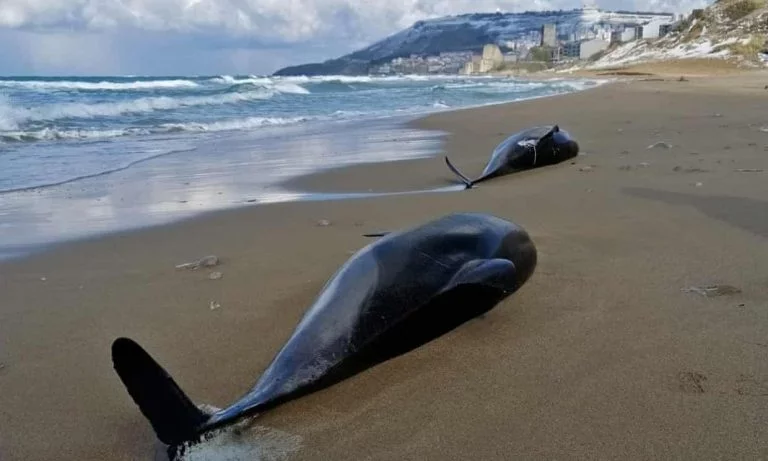
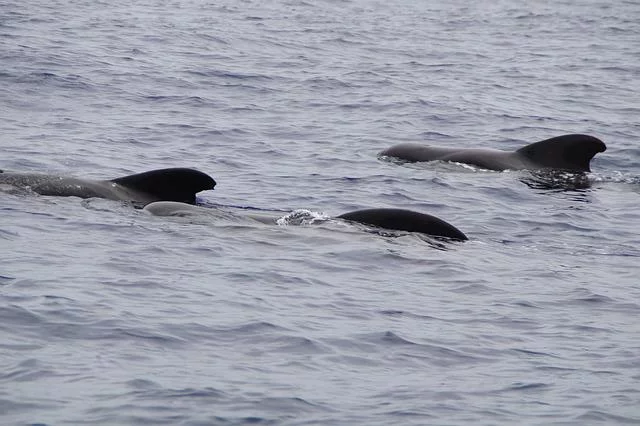
Five pilot whales stranded on a sandbar in Chatham Harbor, Cape Cod, Massachusetts, on Saturday 11 June 2022. Two of the five died: one during the response itself, and one that came ashore again the following day and was euthanised because of its injuries. Strandings like this happen on Cape Cod more than almost anywhere else on Earth. Here is what happened, why this stretch of coast is a stranding hotspot, and what you should know about pilot whales.
What Happened at Chatham
The call came in on the Saturday. The International Fund for Animal Welfare’s Marine Mammal Rescue and Research team worked alongside the Chatham harbormaster and the US Fish and Wildlife Service to reach the animals on the sandbar. One of the five died during the response.
The following day one of the survivors became stuck again near the harbour. Its injuries were bad enough that the responders euthanised it. Of the three remaining whales, two made it out of the harbour and one stayed inside it and was monitored, because an animal lingering in shallow water is at risk of stranding again.
Why Cape Cod Is a Stranding Hotspot
Cape Cod is famous for many things, and one of them, unfortunately, is marine mammal strandings. IFAW’s rescue team responds to an average of around 315 stranded marine mammals a year on the Cape, and 2024 was far worse than average, with 376 stranded dolphins alone. Brian Sharp, who directs IFAW’s Marine Mammal Rescue and Research programme, puts the cause down mostly to the shape of the peninsula.
Cape Cod hooks out into the Atlantic in a long curved arm, creating wide, shallow flats and bays with gently sloping seabeds and dramatic tides. When a pod follows prey into these bays, a falling tide can leave the water too shallow to escape. Storms make it worse by reshaping the coastline and pushing animals into areas they cannot easily leave. When the water recedes, the whales are simply stranded, and in shallow water they quickly overheat and weaken.
Pilot whales are especially vulnerable here because of their behavior, which the next section explains.
Pilot Whales: Large Dolphins, Tight Families
Despite the name, pilot whales are not whales in the usual sense. They are among the largest members of the oceanic dolphin family, exceeded in size only by the orca. There are two species: the long-finned pilot whale, which prefers colder water, and the short-finned pilot whale, found in warmer tropical and subtropical seas. The two look so similar at sea that identification often comes down to skull shape. Adult males reach close to 6.7 metres and weigh around two tons, with a bulbous, rounded forehead.
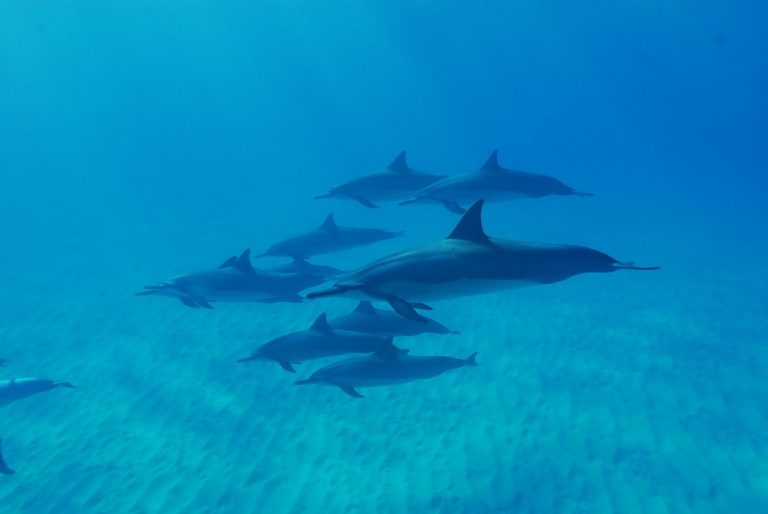
The key fact for understanding strandings is their social life. Pilot whales live in matrilineal pods, family groups built around mothers and their descendants. Young pilot whales typically stay with their mother for their entire lives, and even adult males do not leave the pod they were born into. Pods commonly number 20 to 100 animals, and gatherings of several hundred or even a thousand have been recorded.
Short-finned pilot whales are also one of the very few non-primate mammals in which females go through menopause. Older, post-reproductive females continue to lead and support their pods, much like the matriarchs of an orca or human family.
Why Pilot Whales Strand Together
That intense social bonding is exactly why pilot whales strand in groups. The pod follows its leaders and stays together no matter what. If a lead animal swims into a shallow bay, whether because it is sick, disoriented, or simply chasing fish, the rest of the family follows. Healthy whales will not abandon a stranded relative, so an entire pod can end up on the sand because of one animal’s mistake. This loyalty, which serves the pod well in the open ocean, becomes a deadly trap on a place like Cape Cod.
What To Do If You Find a Stranded Animal
If you ever see pilot whales, dolphins, or other marine life stranded on a beach, the right response is to get expert help and not to act alone:
- Call the experts immediately. Save your regional marine mammal stranding hotline or the local Coast Guard number in your phone.
- Do not approach a stranded animal by yourself. A weak, sick, or frightened whale can thrash and injure you.
- Keep crowds, dogs, and noise away from the animal.
- Do not pour water into the blowhole or attempt to drag the animal back to sea, as this can drown or harm it.
A Heartbreaking but Inevitable Reality
Sharp described the Chatham response as a rough couple of days for the team, which is about as much as anyone should read into it. The geography will not change, and pilot whales will keep following their families into trouble. Teams like IFAW’s save a good number of animals every year without ever saving all of them. In November 2022, four pilot whales were euthanised on Cape Cod after a three-day rescue.
To learn more about these animals, read our profile of the pilot whale, and for the wider conservation picture, our dolphin conservation guide covers the many pressures facing dolphins and small whales today.
Continue exploring at our store
If this article sparked your interest, head over to our guide on dolphin habitats at the We Love Dolphins store for related reads and gear.