Winter the Dolphin Dies at 16
Winter, the bottlenose dolphin who lost her tail and learned to swim again with a custom prosthetic, died on 11 November 2021 at the age of 16. She lived at Clearwater Marine Aquarium in Florida, played herself in the film Dolphin Tale, and left behind a material that is now used in human prosthetic sockets. This is her story, from a crab trap line to what came after.
A rescue in 2005
Winter was found in Mosquito Lagoon, Florida, on 10 December 2005, at about two months old. She had become entangled in the line of a crab trap, and the rope had wrapped tight around the base of her tail and cut off the blood supply. Her flukes and part of her peduncle, the muscular section that drives a dolphin forward, deteriorated and were lost.
Clearwater Marine Aquarium took her in. A dolphin without a tail has a serious problem: the tail supplies nearly all of its forward power. Winter adapted by swimming side to side, more like a fish than a dolphin. It worked, and it put unnatural strain on her spine, which is what worried her caretakers.
The first prosthetic tail for a dolphin
The aquarium worked with Hanger Clinic on something nobody had built before. A team led by the prosthetist Kevin Carroll spent around a year and a half designing, building and testing the device, settling on a silicone and plastic tail fitted over a protective sleeve.
The hard part was never the tail. It was the attachment. Dolphin skin is sensitive and a rigid socket would rub it raw, so the team developed a soft cushioning gel liner for her. It was named WintersGel, and the same material has since gone into prosthetic sockets for human amputees.
Winter wore the prosthetic mainly during physical therapy sessions, to keep her spine aligned, and with it she could swim with much of the speed and flexibility of a dolphin with a natural fluke.
From aquarium tank to film
In 2009 the Hatkoff family published a children’s book, Winter’s Tail: How One Little Dolphin Learned to Swim Again, and a Nintendo DS interactive storybook followed. Then came Dolphin Tale in 2011, with Winter playing herself, and Dolphin Tale 2 in 2014, which featured Hope, another rescued dolphin at Clearwater. Both films are in our list of top family dolphin movies.
The films drew large crowds to the aquarium, and the revenue funded the non-profit’s rescue and rehabilitation work. Winter also became a fixture for people living with limb loss. Child and adult amputees visited her, and many said that watching a dolphin get on with it changed how they felt about their own prosthetics.
Her death in November 2021
In early November 2021 staff noticed Winter was unwell. On 7 November the aquarium said tests pointed to a gastrointestinal infection. By 10 November her condition was critical. The veterinary team prepared for exploratory surgery, and on the evening of 11 November, before the procedure could begin, she died.
The necropsy found an intestinal torsion, a twisted section of intestine. Clearwater said the location of the torsion made it impossible to reach surgically. Her ashes were released into the Gulf of Mexico on 13 January 2022.
How a dolphin’s tail actually works
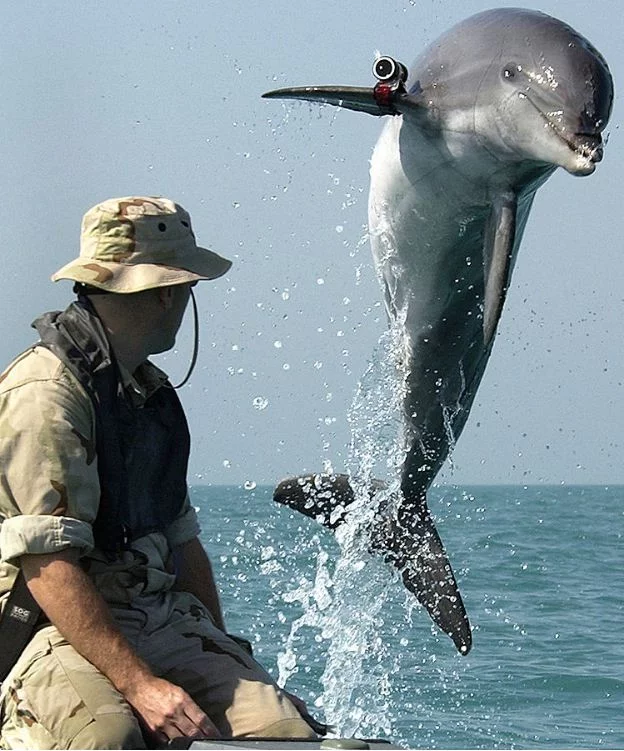
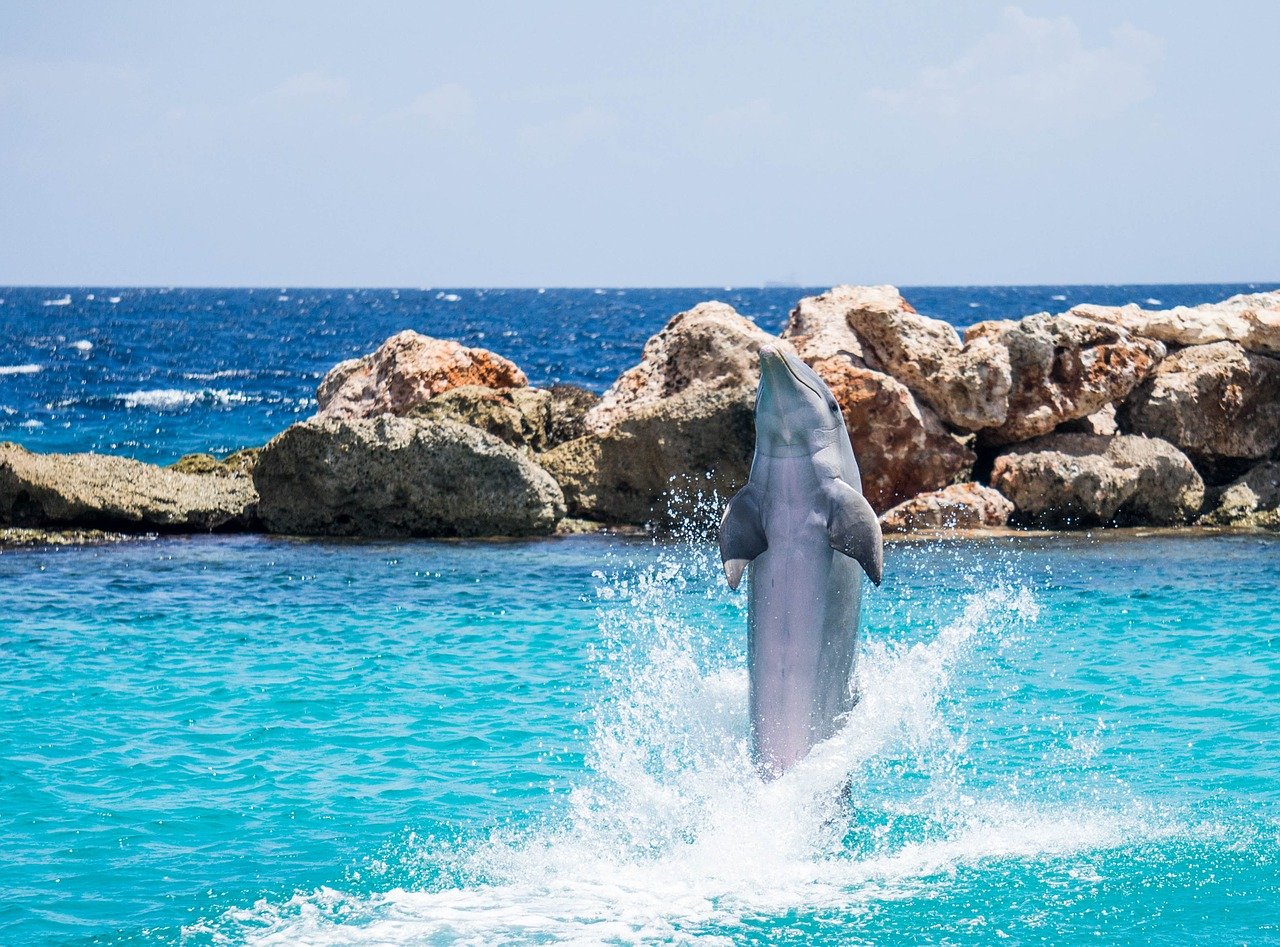
A dolphin’s tail is two horizontal flukes, and unlike a fish, which sweeps side to side, a dolphin drives itself with up-and-down strokes. That vertical motion comes from the peduncle, a dense block of muscle ahead of the flukes, and it is what lets a bottlenose dolphin sprint and leap clear of the water.
Losing the flukes and part of the peduncle cost Winter her engine. Her side-to-side workaround moved her but twisted a spine that was never built for it. The prosthetic was never intended to make her fast again. Its job was to encourage the correct up-and-down motion during exercise so her backbone stayed healthy, which makes the engineering achievement a spine kept in shape for years rather than an artificial tail.
What her case shows
Winter’s injury came from fishing gear, and that part is common. Discarded and active ropes, traps and nets entangle dolphins, turtles and whales everywhere, every year. Winter survived hers. Most animals caught that way do not, which is the argument for recovering lost gear and for responding fast when an entangled animal is reported.
At Clearwater she shared her habitat with other rescued dolphins, including Panama, Hope, who was found stranded in 2010, and PJ. The aquarium continues its rescue and rehabilitation work, and a permanent exhibit keeps Winter’s story in front of visitors.
To learn more about her species, see our profile of the common bottlenose dolphin. For the wider threats these animals face, our dolphin conservation guide goes further.
Continue exploring at our store
If this article sparked your interest, head over to the We Love Dolphins merchandise store for related reads and gear.