
Genuine Dolphin Sanctuaries in 2026: The Short List
The word sanctuary gets used loosely in dolphin tourism. A genuine sanctuary is a sea pen or bay refuge that does not breed dolphins, does not run shows, and exists to give formerly captive animals either a release or a quiet retirement. Very few of them exist. This is the short list, and the one thing this page will not do is pad it out.
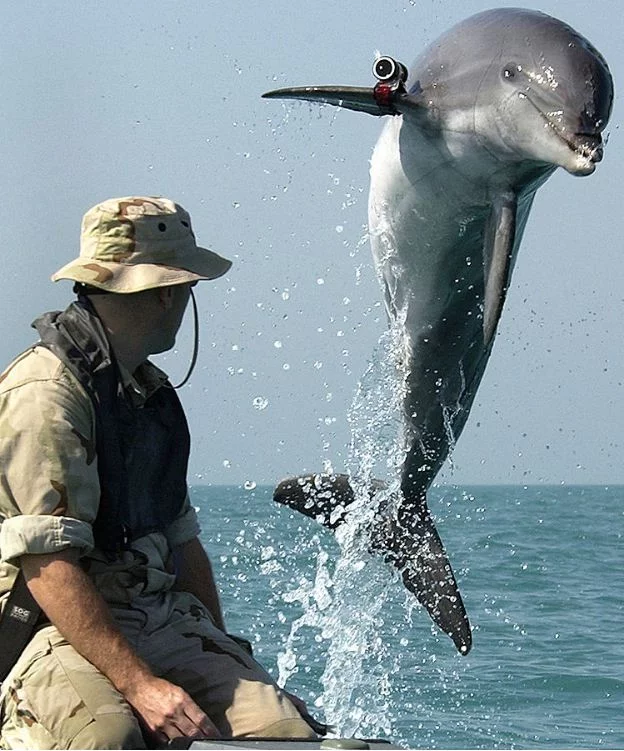
Photo by Katerina Chaloupkova on Pexels.
What qualifies as a true sanctuary
There is no single certifying body that owns the word, which is exactly why it gets abused. In practice the projects that describe themselves as sanctuaries and are taken seriously all meet four conditions: no breeding, no performances, no paid swim-with sessions, and a stated goal of release where an animal can be released or permanent retirement where it cannot.
A facility that runs dolphin shows and sells encounters is not a sanctuary, whatever the rest of its website says.
Operational today
Umah Lumba Rehabilitation, Release and Retirement Center, West Bali, Indonesia. Run by Dolphin Project in Banyuwedang Bay, this is the facility that describes itself as the world’s first and only permanent dolphin rehabilitation, release and retirement centre. It takes dolphins confiscated from captive facilities and keeps permanently those that cannot go back to the wild. You will sometimes see it referred to loosely as the Bali dolphin sanctuary. It is the same place.
Camp Lumba Lumba, Karimunjawa, Indonesia. The other Dolphin Project facility, focused on readapting and releasing formerly performing dolphins native to Indonesian waters rather than on permanent retirement.
SEA LIFE Trust Beluga Whale Sanctuary, Klettsvík Bay, Heimaey, Iceland. Belugas rather than dolphins, so it does not strictly belong on a dolphin list, but it is the working proof that moving a captive cetacean into a netted natural bay can be done. Two belugas, Little Grey and Little White, were relocated from a Chinese aquarium and moved into the bay in 2020.
In development
Whale Sanctuary Project, Port Hilford Bay, Nova Scotia, Canada. More than 100 acres of water with depths to about 18 m, intended for retired orcas and belugas. Nova Scotia’s cabinet approved a 20-year Crown lease in October 2025, ground was broken on 19 June 2026 and the lease was signed in August 2026. Construction is under way, and no whales had arrived by October 2026. The project runs an operations and visitors centre in Sherbrooke in the meantime.
Aegean Marine Life Sanctuary, Lipsi, Greece. A project of the Archipelagos Institute of Marine Conservation, combining rehabilitation for injured marine animals with what would be the first refuge in Europe for retired captive dolphins. It has backing from World Animal Protection and support from France’s ecological transition ministry, and it has been slowed by approvals rather than by funding.
How to check a facility before you visit
- Look for accreditation by the Global Federation of Animal Sanctuaries. It is not a guarantee, but it is a meaningful filter and it is verifiable.
- Look at where the money comes from. If swim-with tickets are a major revenue line, it is not a sanctuary.
- Check whether the facility breeds. Any breeding programme rules it out, because breeding creates new captive animals.
- Check whether there is a show. A scheduled performance schedule answers the question on its own.
Frequently asked questions
How many real dolphin sanctuaries are there?
Two operational facilities, both run by Dolphin Project in Indonesia, plus a beluga sanctuary in Iceland. Two more are in development, in Nova Scotia and in Greece. That is the whole list.
Is SeaWorld a sanctuary?
No. It is a marine theme park. It ended orca breeding in 2016 but still runs performances and still breeds bottlenose dolphins.
Where is the Whale Sanctuary Project being built?
Port Hilford Bay, Nova Scotia. Construction started in June 2026 and the 20-year lease was signed in August 2026. The sanctuary is not yet operational and has no whales.
Are sea pens better than tanks for retired dolphins?
Broadly yes. A netted bay gives far more volume, natural current, natural light cycles and live prey. It also brings problems a tank does not have, including storms, water quality outside your control, and the difficulty of catching an animal that needs veterinary treatment.
Read next
Updated 25 October 2026: updated the Whale Sanctuary Project lease and construction status to October 2026.


No breeding is the one I’d check first. If a place keeps having new calves, it isn’t a sanctuary, whatever the sign says.