
Here’s Why There’s So Much Uproar About The Taiji Dolphin Hunt
The Taiji dolphin hunt remains one of the most contested wildlife practices anywhere in the world.
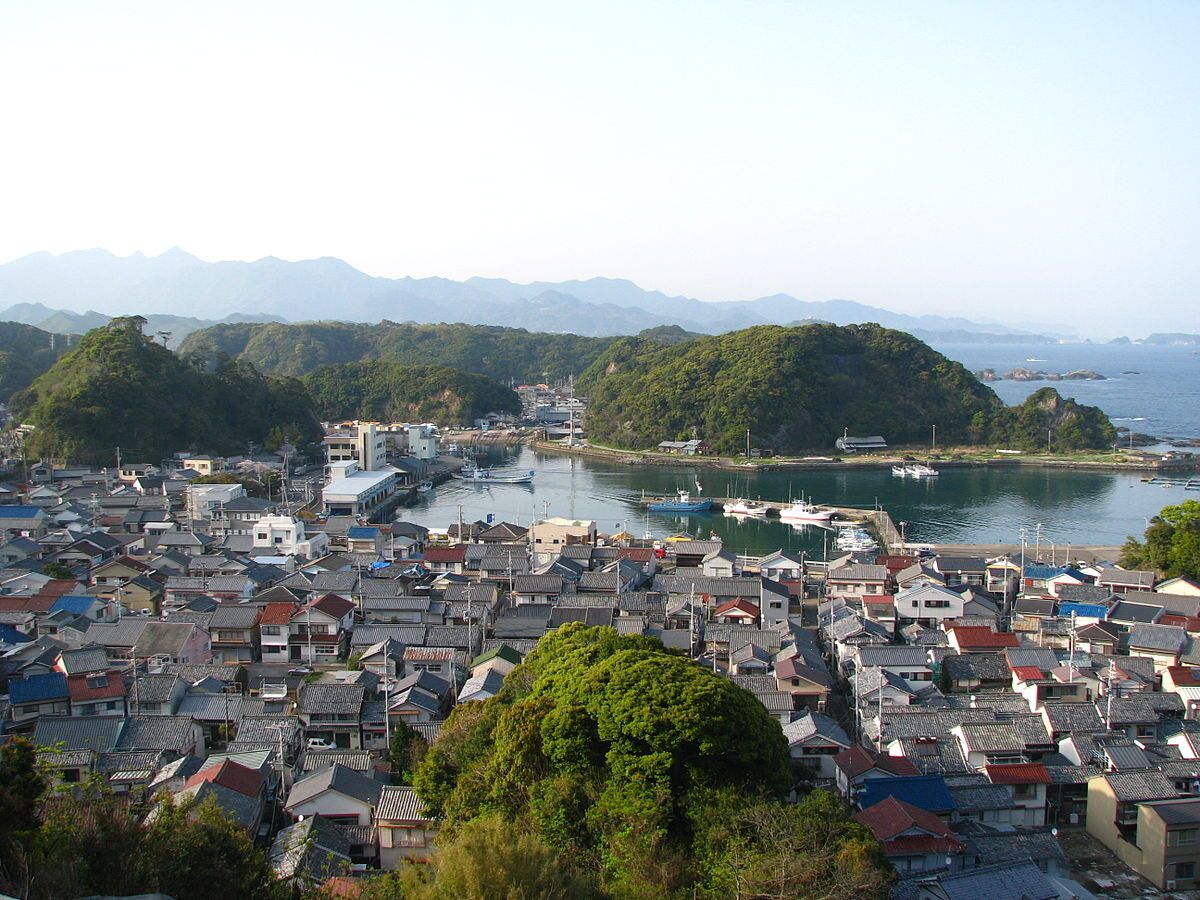
The fishing village of Taiji, venue of the annual dolphin hunt (Photo: BD Padgett/Wikimedia Commons, CC BY-SA 3.0)
Taiji, a coastal town in Wakayama prefecture in southwestern Japan, came to global attention through The Cove, which used hidden cameras to film the drive and won the Academy Award for Best Documentary Feature in 2010. One of its central figures was Ric O’Barry, a former dolphin trainer on the 1960s television series Flipper who became an anti-captivity campaigner. The town supplies wild dolphins, especially bottlenose dolphins, to aquariums around the world. Dolphins and small whales are herded into a cove, some are selected and sold into captivity, and the rest are killed for meat.
What is the Taiji dolphin hunt?
It is an annual drive hunt for small cetaceans, permitted by the Japanese government, running from 1 September into the following spring.
Hunters in a line of motorboats find a pod offshore, lower metal poles into the water and strike them. The wall of noise disrupts the dolphins’ echolocation, and the boats drive the pod into a small cove near the town, where nets close the entrance. The animals are held overnight. The next day trainers and dealers pick out young, unmarked animals for aquariums, and most of the rest are killed in the cove.
Taiji does have a genuinely old whaling history. Wada Chubei Yorimoto began commercial whaling operations there in 1606, and the town refined its techniques over the following centuries. But the dolphin drive hunt is a much more recent thing. Wildlife campaigners point out that records in Taiji show the first large-scale drive hunts started in 1969, and have been driven substantially by the demand for live animals for display rather than for meat. That distinction matters, because “centuries-old tradition” is the argument most often used to defend the hunt.
Worth more alive than dead
The economics are stark and they are the engine of the whole thing. Reporting at the time of the 2015 dispute over Japanese aquariums put the value of a fully trained dolphin on public display at more than $100,000, against as little as $100 for the same animal butchered for meat. Campaigners say the market for captured dolphins in China has been growing rapidly.
The scale is measurable. Over the five years to 2015, observers recorded more than 5,000 dolphins killed at Taiji and a further 750 captured for aquariums. In the season that ended in February 2016, Sea Shepherd counted 652 dolphins killed and 111 taken into captivity.
The quota and recent seasons
Japan’s Fisheries Agency sets the quota. For the 2023 fiscal year it allocated 1,824 animals to the Taiji drive hunt across nine species, with the largest shares for striped dolphins (450), bottlenose dolphins (273) and Risso’s dolphins (251). The hunt took 492. Catches have run well below quota for years, mostly because demand for dolphin meat in Japan keeps falling.
The quota stayed at 1,824 for the 2024 to 2025 season, when Cetabase, which compiles counts from monitors at the cove, recorded 286 dolphins killed and 94 taken alive. For the 2025 to 2026 season the quota fell to 1,814, and Cetabase recorded 416 killed and 84 taken alive.
The mercury problem
Dolphin meat from the hunt carries a real health risk, and it is eaten locally. A 2010 Japanese study found that residents of Taiji had mercury levels higher than the national average, probably because of their consumption of whale and dolphin meat, although further testing found none of them had suffered ill effects. In 2008 the weekly journal Aera reported research by the National Institute for Minamata Disease finding very high mercury levels in whale and dolphin meat sold in Taiji. The price of dolphin meat in Japan fell significantly from 2006 as awareness of the mercury issue spread.
Taiji is not the only place small cetaceans are hunted. Hunts continue in the Faroe Islands and Greenland, and on a smaller scale in Peru and the Solomon Islands. Our post on eating dolphin meat covers where the meat goes and what is in it.
Any relief for the Taiji dolphins?
The most effective pressure so far has come through the captivity industry rather than through the hunt itself, because that is where the money is.
In April 2015 the World Association of Zoos and Aquariums suspended the Japanese Association of Zoos and Aquariums over the sourcing of dolphins from Taiji. In May 2015 JAZA members voted to stop acquiring dolphins from the drive hunt, and WAZA banned the sale and transfer of captive dolphins from Taiji. Dolphins are still sold to marine parks and swim-with resorts that are not WAZA members, so the ban narrowed the market rather than closing it.
One frequently repeated claim needs correcting. Broome in Western Australia, which has been a sister city of Taiji since 1981 through their shared pearling history, did not end that relationship over the hunt. Broome’s council voted in 2009 to end it if the hunt continued, then reversed the decision in October of the same year.
The hunt is woven into local politics and local livelihoods, and the Japanese government has consistently defended it on those grounds. Ending it entirely is likely to be a long process.
Continue exploring at our store
If this article sparked your interest, head over to the endangered status of dolphins guide and We Love Dolphins store for related reads and gear.
For the broader picture, see our full dolphin facts guide.
Updated 25 October 2026: merged our post on the Taiji quota and drive method into this page, with the quotas and catches for the 2023 fiscal year and the last two seasons.


That’s so sad, I guess I can see them being hunted for meat (food on the table) like deer or fish but a limited amount like the deer and fish. I don’t really like the idea but if they can do it without slaughtering them or wasting them.