Dolphin Strandings: Causes and Rescue
Single and mass strandings have different causes: bathymetry, social bonds, naval sonar and disease. Plus how rescue works, and when release is not possible.

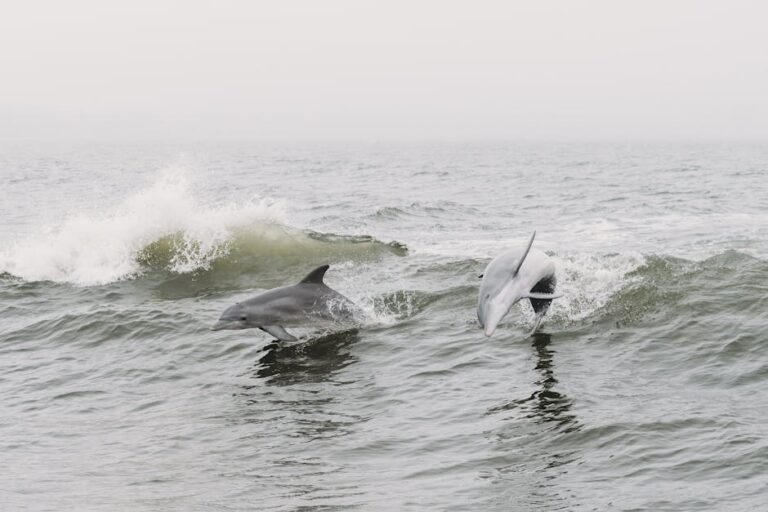
Single and mass strandings have different causes: bathymetry, social bonds, naval sonar and disease. Plus how rescue works, and when release is not possible.

Bottlenose dolphins pass the mirror mark test, and calves start using a mirror on themselves younger than human infants do. How the test works, which other species pass, and which results are contested.
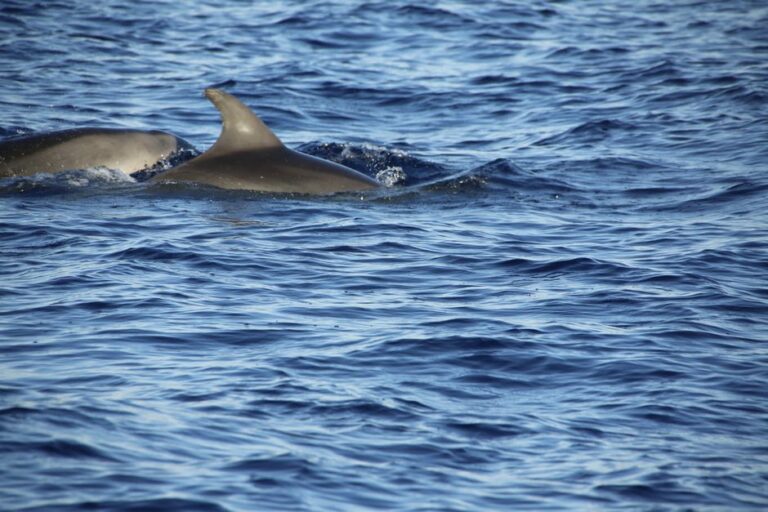
Dolphins sleep one half of the brain at a time. What unihemispheric slow-wave sleep looks like, why they need it, and what is still unknown.

Bottlenose dolphins develop a unique signature whistle and copy each other’s to address one another. The 1965 discovery, the 2013 Scottish playback experiment, and where the evidence stops.
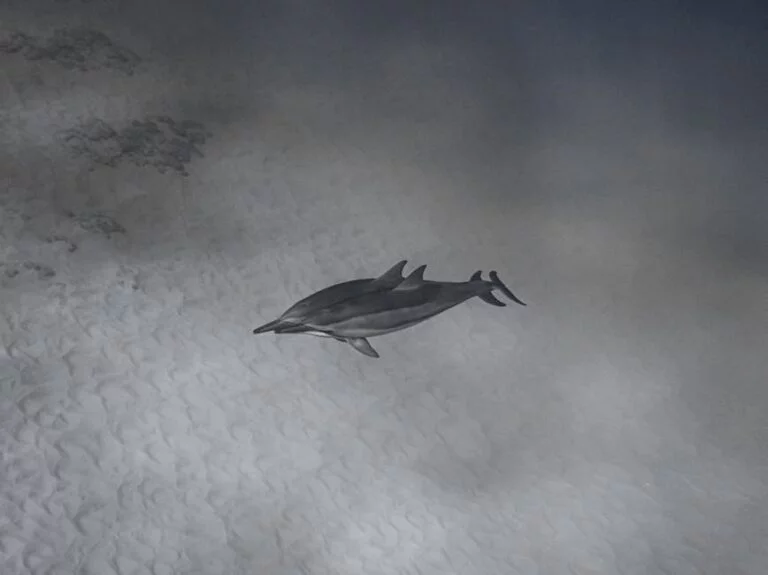
How dolphin echolocation actually works: the phonic lips produce broadband clicks, the melon focuses them forward, and the lower jaw receives the returning echo.

Six cold-water species, four reliable hotspots, and the two things killing them: Faroese drive hunts and quiet, constant bycatch in the Bay of Biscay.
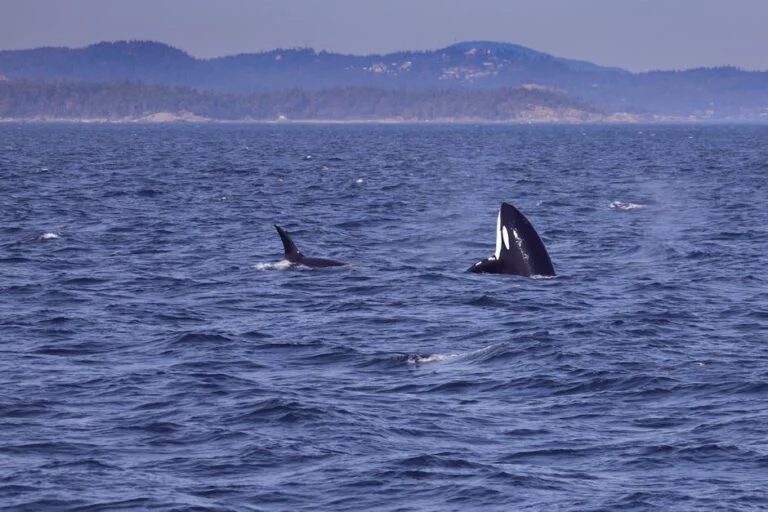
The dolphins of the North Pacific, from Pacific white-sided dolphins and Dall’s porpoise to the 76 remaining Southern Resident orca, plus where and when to see them.
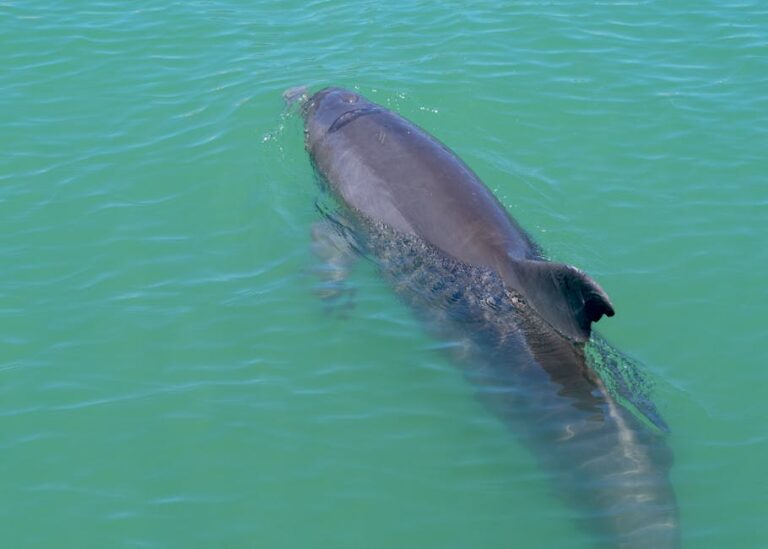
Two separate families of toothed whale. Beak, dorsal fin, teeth, size and behaviour, with a field checklist you can use from a moving boat.

Two operational dolphin sanctuaries, one beluga sanctuary, two projects in development. Everything else calling itself a sanctuary is not one.
The quiz that catches people out, plus the six dolphin myths behind most of the wrong answers.

How much plastic reaches the sea, what it does to dolphins, and the everyday habits that genuinely help. Run the checklist and see where you stand.
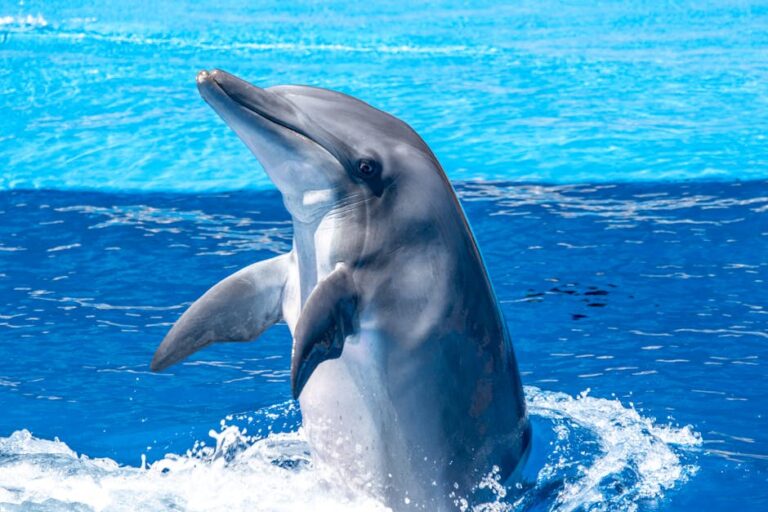
Nicklo of Sarasota Bay was 67 when she was last seen in 2017, the oldest documented wild bottlenose dolphin. How researchers aged her, and why females outlive males.
We send one careful dolphin roundup per month. Conservation news, species profiles, the occasional reader question we could not resist answering.
We never share your email. One-click unsubscribe.