Microplastics and Dolphins: What the Research Shows

Microplastic pollution is a global problem. As top predators in the marine food chain, dolphins accumulate microplastics from prey species. This post summarises the research as of 2025 on microplastic exposure in dolphins, biological consequences, and where dolphins sit in the broader marine plastic story.
How dolphins get exposed
The dominant exposure route is prey: fish, squid, and crustaceans that have ingested microplastic particles.
Direct ingestion of microplastics from sea water is much smaller. Dolphins do not filter feed.
Inhalation of airborne microplastics at the surface during breathing has been detected but is not yet quantified well.
What is found in dolphin tissue
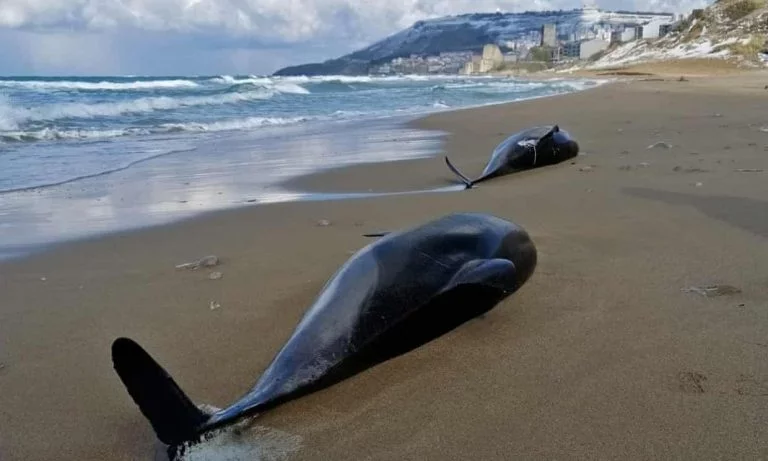
Microplastic particles, mostly polyethylene and polypropylene, have been recovered from stranded dolphin stomachs and gut contents in multiple geographies (Mediterranean, North Sea, US Atlantic and Gulf, Brazil).
Phthalates, plasticisers, and other additives are now reliably detectable in dolphin blubber and liver tissues.
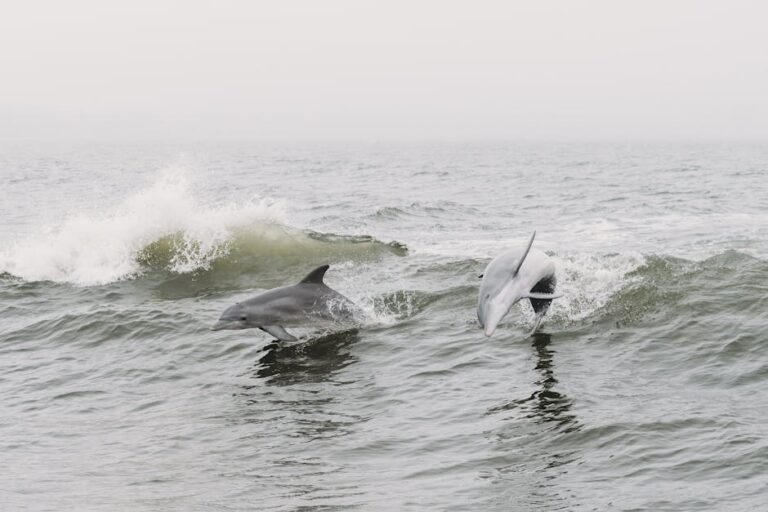
A study published in PLOS ONE in October 2024 found suspected microplastic particles in the exhaled breath of all 11 wild bottlenose dolphins sampled in Sarasota Bay, Florida, and Barataria Bay, Louisiana. That points to breathing as a second route of exposure.
Biological impact
Phthalates are endocrine disruptors and are correlated in laboratory animals with reproductive impairment, immune suppression, and developmental abnormality.
Causal links between microplastic loads and population-level dolphin health outcomes are not yet established. In Sarasota Bay, Florida, a 2018 study found phthalate metabolites in the urine of 71 percent of the 17 dolphins sampled. What that exposure does to their health is not yet known.
Where dolphins fit in the plastic story
Dolphins are not the most-impacted marine animal by macroplastic entanglement (that is sea turtles and seabirds), but they are an important indicator species for microplastic accumulation up the food chain.
Open research questions
Quantifying respiratory exposure during surface breathing is an active research priority.
Cross-species comparison of microplastic loads in echolocating prey-hunters (dolphins) vs filter feeders (baleen whales) is ongoing.
Read next
Frequently asked questions
Are microplastics found in dolphins?
Yes. Particles and additives have been recovered from dolphin gut contents, blubber and liver in many regions, and particles have been found in the breath of wild bottlenose dolphins.
How do dolphins ingest microplastics?
Mostly via prey species (fish, squid, crustaceans) that have ingested microplastics. Some inhalation at the surface and limited direct water ingestion.
Is microplastic load harming dolphin populations?
Not proven. Phthalate exposure has been measured in Sarasota Bay dolphins, but links to health or population effects are not yet established.
Are coastal dolphins more contaminated than open-ocean dolphins?
Possibly, but it is not established. Coastal dolphins live closer to urban runoff, and few studies compare coastal and offshore microplastic loads directly.
What can be done to reduce dolphin microplastic exposure?
Upstream measures matter most: reducing single-use plastic, improving wastewater treatment, banning microbeads (already done in many places), and reducing fishing-gear loss (a major source of ocean microplastic). Our piece on being an ocean warrior covers what individuals can do.
Updated 25 October 2026: corrected the lung tissue claim to the 2024 breath study, removed an unsupported Sarasota Bay reproduction claim and an unsupported coastal versus offshore claim.