
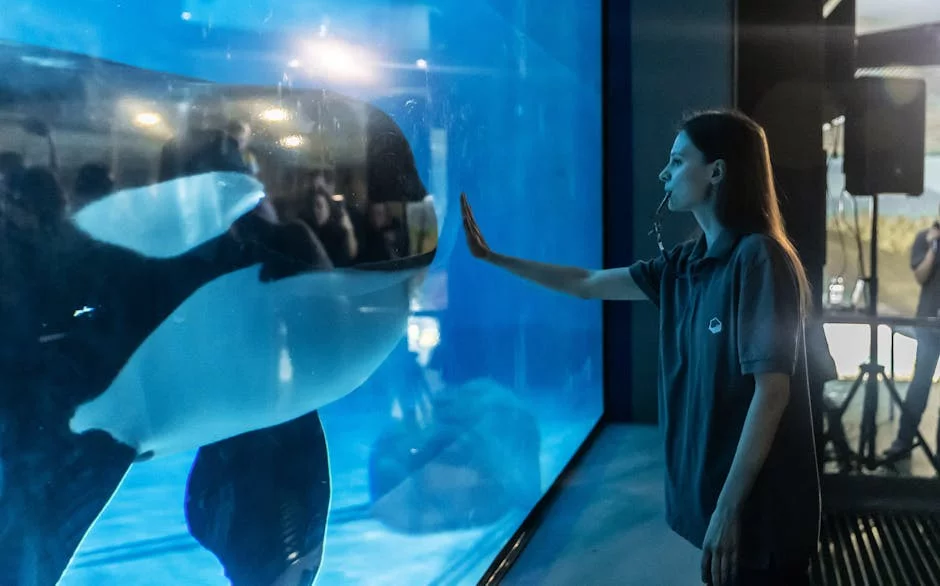
Lolita the killer whale died in Miami Seaquarium
Lolita the orca died on 18 August 2023 at the Miami Seaquarium, where she had been held since 1970. She was months into a plan that was meant to end with her back in the sea she was taken from. She had shown signs of discomfort in the days before, and the necropsy released that October put her death down to a progression of chronic conditions, principally kidney disease and pneumonia. This page keeps the account of her life and death, then sets it in the wider story of orcas in captivity.
For the broader picture, see our dolphin conservation guide.
Toki: a life in a concrete tank
Lolita, also known as Toki and Tokitae, was taken in the Penn Cove capture in Puget Sound, Washington, on 8 August 1970, at an estimated three to six years old. She was bought by the Miami Seaquarium and lived there with a male orca, Hugo, who died in 1980 at fifteen. From then on she had no other orca for company, for more than four decades.
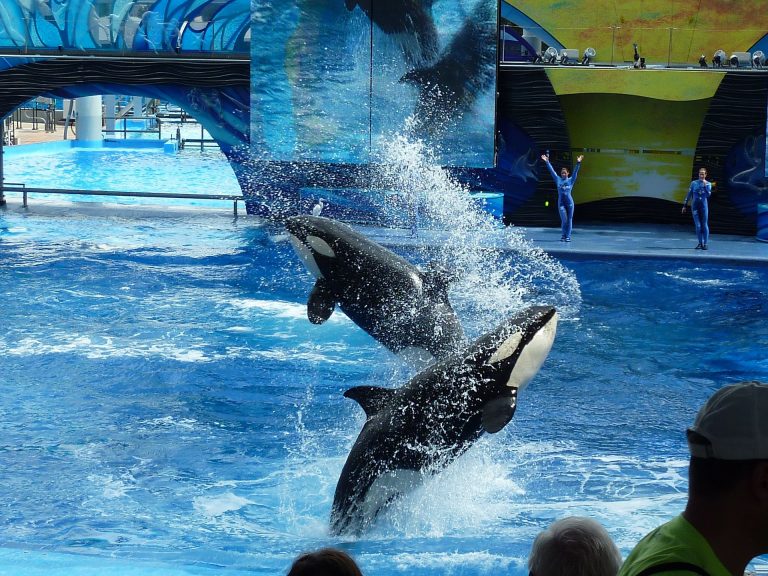
For roughly five decades she lived in the same tank and performed for visitors. Her enclosure was widely criticised as one of the smallest orca tanks in North America, far too small for an animal that in the wild ranges over dozens of miles a day. One of her trainers noted that Lolita did not cope well with change and worked for years with the same familiar people, a detail that became central to the debate over whether she could ever be moved.
The plan to bring her home
After years of campaigning, the Miami Seaquarium announced on 30 March 2023 a binding agreement to move Lolita to an ocean sanctuary in the San Juan Islands, the waters she had been taken from. The non-profit Friends of Lolita was involved, and Jim Irsay, owner of the NFL’s Indianapolis Colts, agreed to bankroll most of an estimated 15 to 20 million dollar operation. The timeline discussed was roughly 18 to 24 months. She died before any of it happened.
What made Lolita’s case especially poignant is that her origin population was identifiable. Lolita was a member of the Southern Resident orcas, a small, fish-eating community of the Pacific Northwest. That population is protected under the United States Endangered Species Act and numbered 76 in the Center for Whale Research’s provisional census of July 2026, up from 73 in July 2024. Researchers even believed her mother, an elderly female known to the long-term Southern Resident studies, was likely still alive. A return would not have been to an anonymous ocean, but to a known family.
Could she have survived in the wild?
This is the question the original story asked readers, and it has no easy answer. Two honest views exist:
- Supporters of the release argued she deserved the chance to live her final years in natural sea water, in her home range, and that a supervised sea pen was not the open ocean but a vast improvement on a concrete tank.
- Others worried that after five decades in captivity, an animal that struggled with any change might not have adapted, and that the move itself carried serious risk.
Both positions came from people who wanted the best for her. She died before any move, so the question stays open.
Orcas in captivity: where things stand
Lolita’s story is part of a much larger shift in how the public views captive orcas. The trend has moved steadily against keeping them. After the 2013 documentary Blackfish, which examined orca captivity, public opinion turned sharply. In 2016, SeaWorld announced it would end its orca breeding program, meaning the orcas in its care would be the last generation. Several countries have since restricted or banned the keeping of cetaceans for display, and Canada passed legislation in 2019 effectively ending the captivity of whales and dolphins.
Even so, dozens of orcas remain in marine parks around the world, and a large share of them were born in captivity and have never known the open ocean. For those animals, a return to the wild is not realistic, which has shifted the conversation toward sea sanctuaries: large, netted coastal enclosures that offer natural water and space without the demands of full release.
What Lolita’s story leaves behind
Lolita did not get her day of freedom, and that is the hard truth at the center of this story. What her life did do was keep a difficult question in front of millions of people: whether a wide-ranging, intelligent, deeply social animal belongs in a tank at all. To learn more about the species, see our profile of the orca whale, the largest member of the dolphin family.
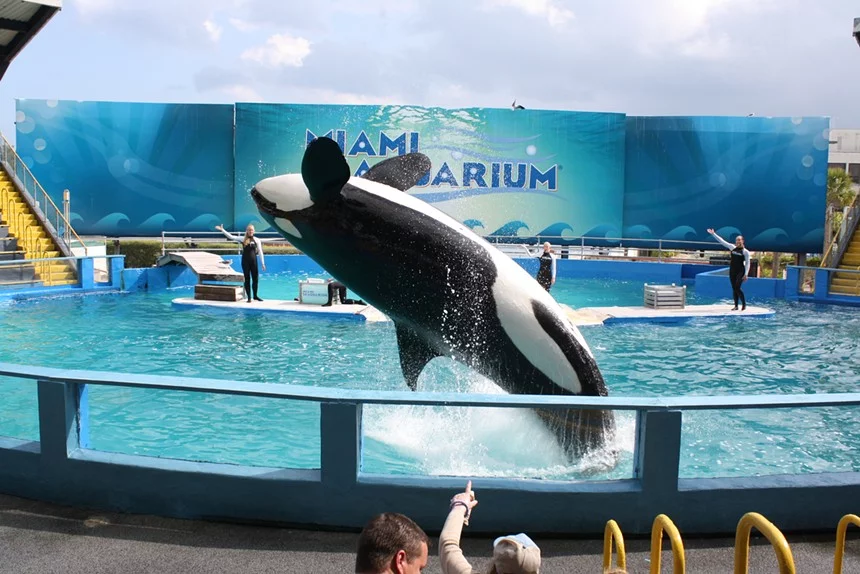
What are your thoughts on orcas still being kept in aquariums? It is a debate that Lolita’s life, and her death, made impossible to ignore.
Continue exploring at our store
If this article sparked your interest, head over to the endangered status of dolphins guide and We Love Dolphins store for related reads and gear.
Updated 25 October 2026: updated the Southern Resident orca count to the July 2026 census.
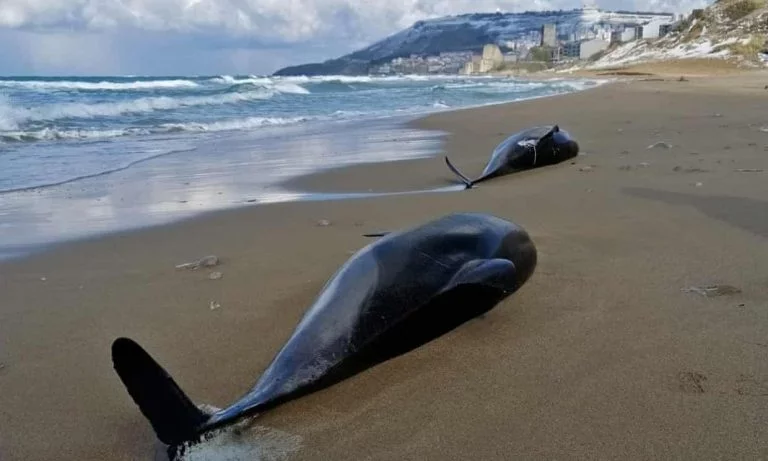
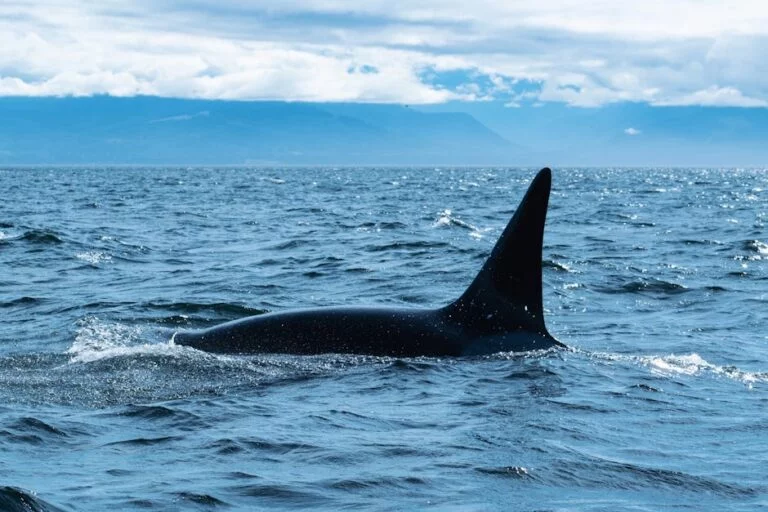
Fifty plus years in that tank. I really hoped she would make it back to the waters she came from.