
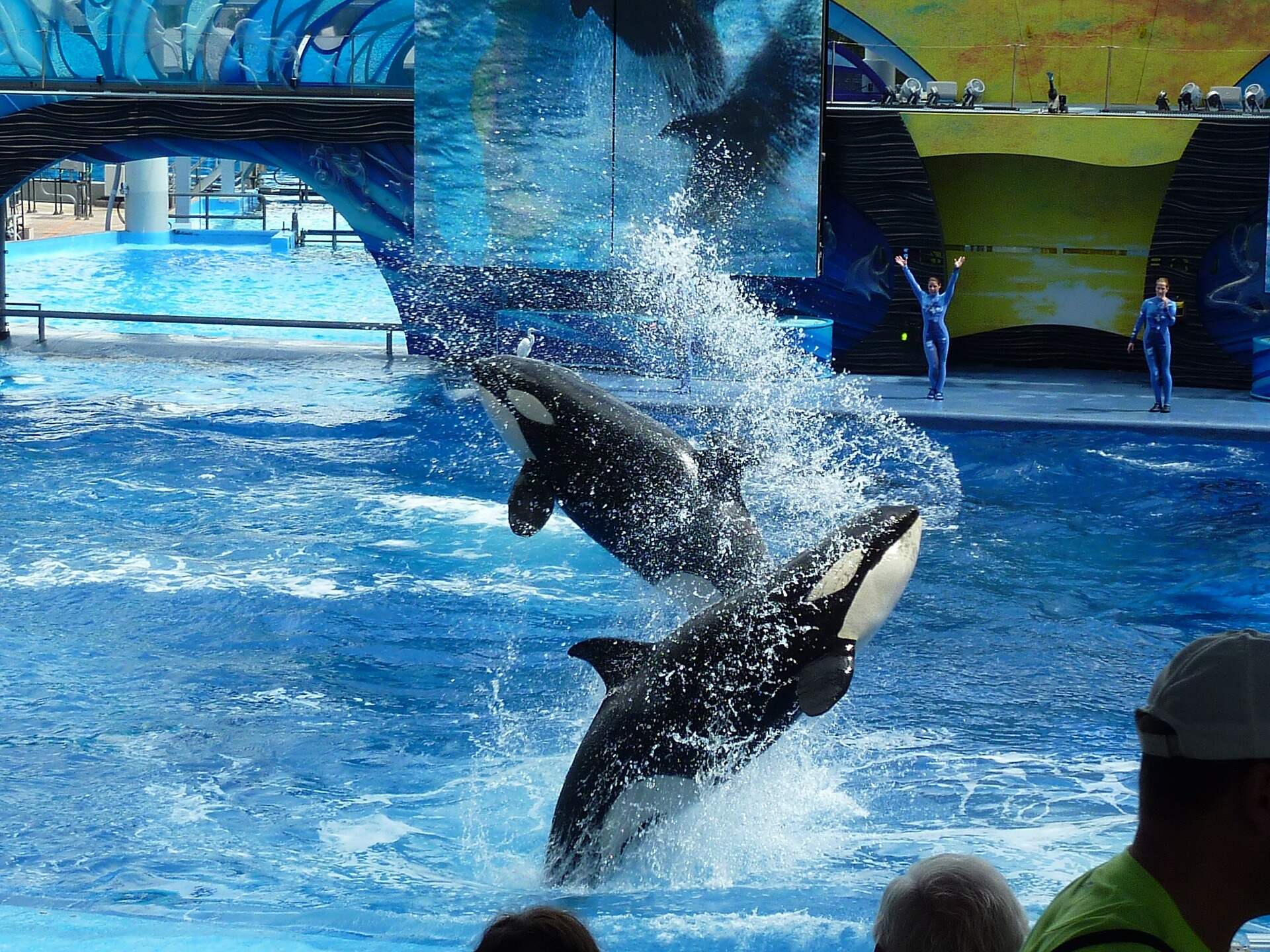
San Diego SeaWorld Youngest Orca Dies
Amaya, the youngest orca at SeaWorld San Diego, died on 19 August 2021 at six years old. She had shown signs of illness only the day before. Her death reopened the argument about whether killer whales should be in tanks at all.
Who Amaya was
She was born at SeaWorld San Diego on 2 December 2014, to a mother named Kalia and a father named Ulises. She was the last orca born at that park, and she spent her whole life in its pools.
She was not, as is often written, the last orca born at any SeaWorld. That was Kyara, born at SeaWorld San Antonio in April 2017, who died three months later. SeaWorld announced the end of its orca breeding programme in March 2016, so Kyara was already the last calf of a programme that had stopped.
Amaya’s story is hard for a reason that has nothing to do with how she was cared for. She represents a closed chapter. There will be no more orcas born into SeaWorld’s tanks, and she never had a chance to travel open water, hunt, or live in the family structure her species is built around.
What happened in August 2021
She first showed signs of being unwell in mid-August. Veterinary staff began treating her immediately and her condition fell away within about a day. SeaWorld said publicly that it did not know the cause and that a post-mortem was under way.
For context: wild female orcas typically live about 50 years and males about 30, according to NOAA Fisheries, and some live far longer. A six-year-old is a juvenile with most of its life ahead of it.
Not an isolated case
SeaWorld San Antonio lost an 18-year-old orca named Unna on 21 December 2015 to an infection. Tilikum, the male linked to three human deaths and the subject of the 2013 documentary Blackfish, died at SeaWorld Orlando on 6 January 2017, aged 35, from bacterial pneumonia.
The pattern critics point at is real, though it is worth being accurate about it. Captive orcas do frequently die well short of wild life expectancy, but not always: Corky II is still at SeaWorld San Diego at around 60, the longest-held captive orca in the world. Problems documented across the captive population include:
- Dorsal fin collapse, near-universal in captive adult males and rare in the wild
- Teeth worn and broken on concrete and steel tank surfaces
- Fungal and bacterial infections that move fast
- Chronic stress from confined space and artificially assembled social groups
What happens to the orcas that are left
About 53 to 55 orcas were in captivity worldwide as of April 2026, 16 of them across SeaWorld’s San Diego, Orlando and San Antonio parks. Roughly two-thirds of the global total were born in tanks. With breeding ended at SeaWorld, that population will age out rather than be replaced.
The genuinely hard question is what to do with them in the meantime. Releasing tank-born animals is not realistic, because they have never hunted or belonged to a wild pod. Advocacy groups have pushed for seaside sanctuaries, large netted coastal bays with natural seawater and far more room. None currently operates at scale for orcas.
Why orcas do badly in tanks
Killer whales are the largest members of the dolphin family and among the most socially complex animals alive. Wild pods are matrilineal and can hold together for a lifetime. Different populations have their own dialects, their own hunting techniques and their own diets, passed on culturally rather than inherited.
A pool cannot supply the space, and it cannot supply the family either. Our orca species profile goes into what that structure actually looks like in the wild.
The honest takeaway
Amaya died at six from something the park could not immediately name, after a life spent entirely inside concrete. The breeding programme is over and that is real progress. What is left is to push for the best possible retirement for the animals still in tanks, and to spend your money on wild whale watching instead of a ticketed show.
Updated 25 October 2026: corrected the wild orca lifespan figures and updated the captive orca counts.


Yes, this is very sad news. I feel like the 19 orcas in captivity should stay in captivity.
I loved to go to Sea World when I was younger and loved the shows they would put on and sometimes get splashed by water. Shamu was great!!
I am so glad that SeaWorld ended its breeding program of orcas – these whales should never have been kept in captivity in the first place.
So sad, wild animals are wild animals for a reason.
I don’t really understand what the differences between Orcas and Dolphins are apart from size and colour. They both seem equally intelligent and are able to show love for others of their kind.
I think the orcas are a majestic animal and should be left in the ocean where they belong
That is bad that the dolphin died when it was so young.