Dead Baby Dolphin found After Instagram Photo Post
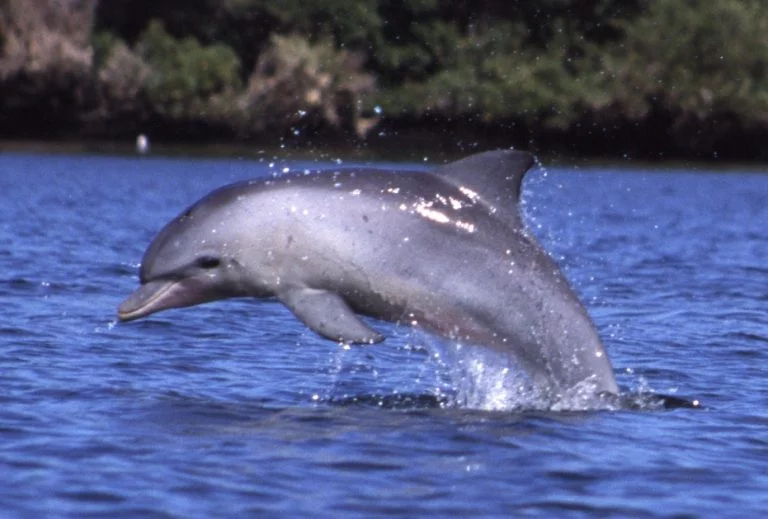
A photo posted to Instagram showed a Florida teenager holding a young bottlenose dolphin clear of the water. Days later a dolphin calf was found dead in the same stretch of water. The case turned into a public lesson in something a lot of people do not know: in the United States it is illegal to touch, handle or harass a wild dolphin, alive or dead.
What happened
A 19-year-old posted the image, taken in the Nassau Sound area near Amelia Island in northeast Florida, showing him lifting a one-year-old male dolphin calf several feet out of the water. His first caption framed it as a trophy, describing it as a once in a lifetime chance to catch a dolphin as bycatch from the shore. After the reaction started, he changed his account and said the animal had already been lifeless in the water and that they had tried to revive it.
The two versions do not sit together. One describes catching a living animal. The other describes finding a dead one. That contradiction is what made the case stick.
How it became a case
Kevin Beaugrand, a Jacksonville Beach resident, saw the photo after it was reshared to a surfing account with a large following. Rather than pile on in the comments, he reported it to the National Oceanic and Atmospheric Administration and to the Florida Fish and Wildlife Conservation Commission. That is what moved it from social media outrage into an actual wildlife investigation.
The teenager later said he had received death threats over the post.
The Marine Mammal Protection Act
The law here is the Marine Mammal Protection Act of 1972, one of the strongest wildlife statutes in the United States. It makes it illegal to take a marine mammal, and take is defined broadly. It covers:
- Hunting, capturing or killing a marine mammal.
- Harassing one, which includes any act that disrupts its natural behaviour.
- Touching, feeding or attempting to handle a wild marine mammal.
The protection extends to dead animals. You cannot legally pick up, pose with or move a dead dolphin you find on a beach. The reason is practical as well as legal: a carcass is evidence. Stranded and dead marine mammals are examined to understand disease, contaminants and cause of death, and a body that has been dragged around and handled loses much of that value.
Identifying the dolphin
Dr Quincy Gibson, who runs the University of North Florida’s Dolphin Research Program, reviewed the evidence and said everyone involved agreed the dead calf matched the animal in the photograph. The match was made on the dorsal fin, which carries nicks, notches and scarring unique to each animal, the standard method researchers use to identify individual dolphins across decades.
Why holding a dolphin can kill it
Even with no ill intent, lifting a dolphin out of the water is dangerous for the animal. Its body is built to be supported by water. Held in the air, its own weight presses down on its internal organs.
Dolphins also shed heat into the water, so out of it they overheat quickly, and a frightened animal thrashing in someone’s arms can injure itself or the person holding it. A calf separated from its mother is more fragile still. A photo opportunity that lasts a couple of minutes can be fatal.
The legal consequences
Violating the MMPA is serious. Civil penalties run to thousands of dollars per violation, and criminal conviction can bring a fine and up to a year in prison. Enforcement sits with NOAA Fisheries. Cases involving photographed harassment get investigated more often than most, for the obvious reason that the evidence has already been published by the person who did it.
What to do instead
- Do not touch, chase, feed or pose with a wild dolphin. The video of a woman trying to ride a beaked whale at Zandvoort shows why.
- Keep your distance. NOAA guidance for viewing wild dolphins is to stay at least 50 yards away.
- If a dolphin is stranded, injured or dead, call the NOAA Fisheries marine mammal stranding hotline for your region.
- Photograph from a distance, for identification rather than for a trophy.
To learn more about the species at the centre of this case, read our profile of the common bottlenose dolphin. Our dolphin conservation guide covers the wider effort to protect them.
Continue exploring at our store
If this article sparked your interest, head over to the We Love Dolphins merchandise store for related reads and gear.