
Baiji Dolphin Trivia Challenge: Test Your Knowledge!
The baiji (Lipotes vexillifer) lived only in the Yangtze, and it is the first cetacean that human activity is generally accepted to have wiped out. A six-week survey of the river in late 2006 found not one animal, and the species was declared functionally extinct that December. Below is the story, then a ten-question quiz on it.
A river dolphin like no other
The baiji was pale blue-grey on the back and white underneath, which is where the name white-flag dolphin came from. It had a long, slightly upturned beak and a low triangular dorsal fin. Females were the larger sex: males reached about 2.3 m and 135 kg, and females about 2.6 m and more than 240 kg (Marine Mammals of the World).
Its eyes were tiny and set high on the head, and its vision was poor. In water that turbid, sight was not worth paying for. The baiji had traded it for sound.
Behaviour and habitat
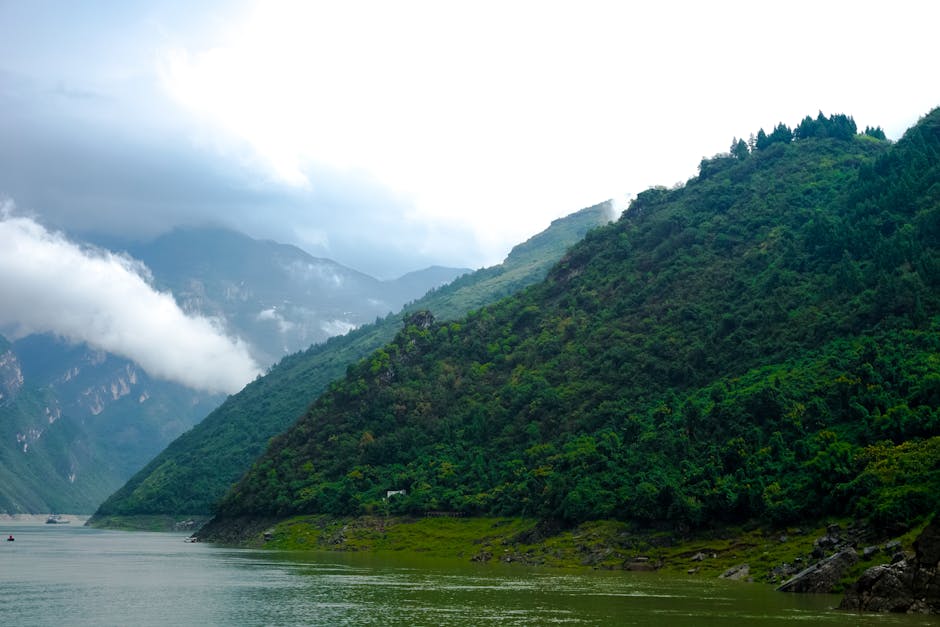
It navigated and hunted almost entirely by echolocation, reading echoes off the riverbed to find fish. It fed on a range of freshwater species and lived in small groups in deeper stretches near sandbars and river mouths. It was shy and avoided boats, which in one of the busiest waterways on Earth was a losing strategy.
Why the baiji went extinct
No single cause. Human pressure on one river piled up over a few decades:
- Fishing gear. Baiji drowned in nets and were killed by rolling hook longlines and electrofishing. Entanglement is thought to have been the single biggest direct cause of death.
- Boat traffic. Propeller strikes killed animals outright, and engine noise interfered with the echolocation they depended on.
- Dams and habitat loss. Dam construction, including the Three Gorges Dam, changed water flow, fragmented the river, and removed the sandbar habitat the dolphins used.
- Pollution. Industrial and agricultural runoff degraded water quality and cut the fish stocks the baiji fed on.
The last verified records are a pregnant female found stranded at Zhenjiang in November 2001 and an animal photographed near Tongling in May 2002, according to the IUCN SSC Cetacean Specialist Group. Fishermen reported a few later sightings that could not be verified, and a video shot in August 2007 was tentatively identified as a baiji but never confirmed. The captive baiji Qi Qi, held at the Institute of Hydrobiology in Wuhan, had died in July 2002.
Ten-question quiz: the baiji dolphin
Now test what stuck.
- What is the scientific name of the baiji? Lipotes vexillifer
- Where did it live? The Yangtze River in China
- What colour was it? Pale blue-grey above, white below
- What did it eat? Freshwater fish
- When was the last verified record? May 2002, an animal photographed near Tongling
- How did it find prey? Echolocation
- How long were adults? Males about 2.3 m, females about 2.6 m
- What killed it? Fishing gear, boat traffic, dams and pollution acting together
- Is it formally declared extinct? It was declared functionally extinct in December 2006, and the IUCN lists it as Critically Endangered, possibly extinct
- What is the lesson? That a species can go from declining to gone inside one human lifetime while everyone watches
What functionally extinct actually means
Question 9 turns on a phrase worth understanding. Functionally extinct means a species has so few individuals left that it can no longer sustain a breeding population or play any role in its ecosystem, even if one or two animals are still alive somewhere. For the baiji, it is the difference between a confirmed last death and a population that simply ran out of future. No verified record has been made since 2002.
The warning for other river dolphins
The Yangtze still holds the Yangtze finless porpoise, the only freshwater porpoise on Earth, and it is Critically Endangered under the same set of pressures. Elsewhere the Amazon river dolphin and the South Asian river dolphins are Endangered, squeezed by dams, gillnets and pollution. Recovery work on the finless porpoise is in part an attempt not to run the baiji experiment twice. You can read more in our dolphin conservation guide.
More dolphin quizzes
- Orca trivia
- Common bottlenose trivia
- Amazon river dolphin trivia
- Striped dolphin trivia
- Spinner dolphin trivia
Updated 16 November 2026: corrected the last verified records to November 2001 and May 2002, corrected the body sizes, linked the sources and removed a store link.


Got most of these wrong, which says a lot about how little I knew about the baiji. Brutal read.
Tough one because there are so few photos of a live baiji. I assumed they were bigger, too.
feels strange scoring a quiz about an animal that disappeared in my lifetime.