Entangled Dolphin Calf Rescued in Florida
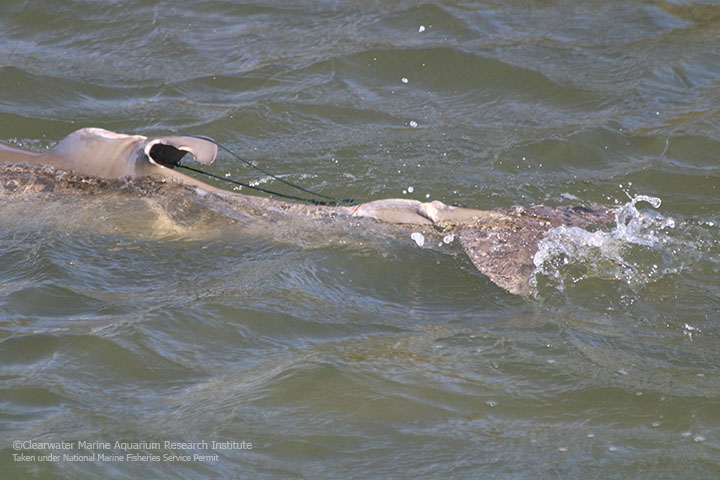
A dolphin calf near Clearwater, Florida spent six weeks tangled in fishing line before anyone could get close enough to cut it free. The calf and its mother, Matilda, were first spotted on 4 December 2021 by the Clearwater Marine Aquarium Research Institute. CMA and the Florida Fish and Wildlife Conservation Commission tracked the pair and planned a rescue, but the first attempt, using long-handled cutting tools from a boat, failed. The dolphin simply evaded them.
For the broader picture, see our dolphin conservation guide.
The rescue
By January the situation had got worse rather than better. The calf had not shaken the line off; it had wound tighter, cutting into the animal and compromising the peduncle, the muscular section in front of the tail that does the swimming. On 13 January biologists and veterinarians met remotely and concluded that the only remaining option was to capture the animal.
On 18 January 2022 the teams assembled at a boat ramp at 9am. Eight boats and 38 people went out. The dolphins were encircled at 10:53, mother and calf were restrained by 10:55, and both were released at 10:58. In those three minutes the veterinary team, led by Dr Mike Walsh, removed the line and gave the calf a dose of antibiotics. Walsh noted afterward that the calf was very thin but in better condition than the team had feared.
The operation involved CMA, the Sarasota Dolphin Research Program, SeaWorld, the FWC, Mote Marine Laboratory, the University of Florida aquatic animal health team, and the NMFS Southeast Regional Office. Keeping the mother and calf together throughout was a deliberate part of the plan. Earlier that month, a stranded calf of around eight months at Fort Walton Beach was taken into care by Gulf World Marine Institute.
The calf is free but not safe. The line permanently disfigured her dorsal fin, and a damaged fin snags line more easily than a clean one.
How to prevent dolphin entanglements
Entanglement in fishing gear is the largest single killer of small cetaceans worldwide. A widely cited 2006 estimate put the annual death toll of whales, dolphins and porpoises in fishing gear at around 300,000 animals. Most of them are never seen, let alone rescued. If you fish from a boat, a handful of habits make a real difference.
- Reel your line in as soon as you see dolphins near the vessel.
- Stay at least 50 yards away, which is the federal guidance for wild dolphins in United States waters.
- Never feed a dolphin, however friendly it looks. Feeding is what teaches them to hang around boats and gear.
- Inspect your tackle regularly so it does not snap off and drift.
- Use circle hooks and corrodible hooks, which do less damage if swallowed.
- Take your line home. Monofilament does not rot, and discarded line is what caused this. Our piece on being an ocean warrior covers other everyday habits that help.
Featured image: Sarasota Dolphin Research Program.
Continue exploring at our store
If this article sparked your interest, head over to the We Love Dolphins merchandise store for related reads and gear.